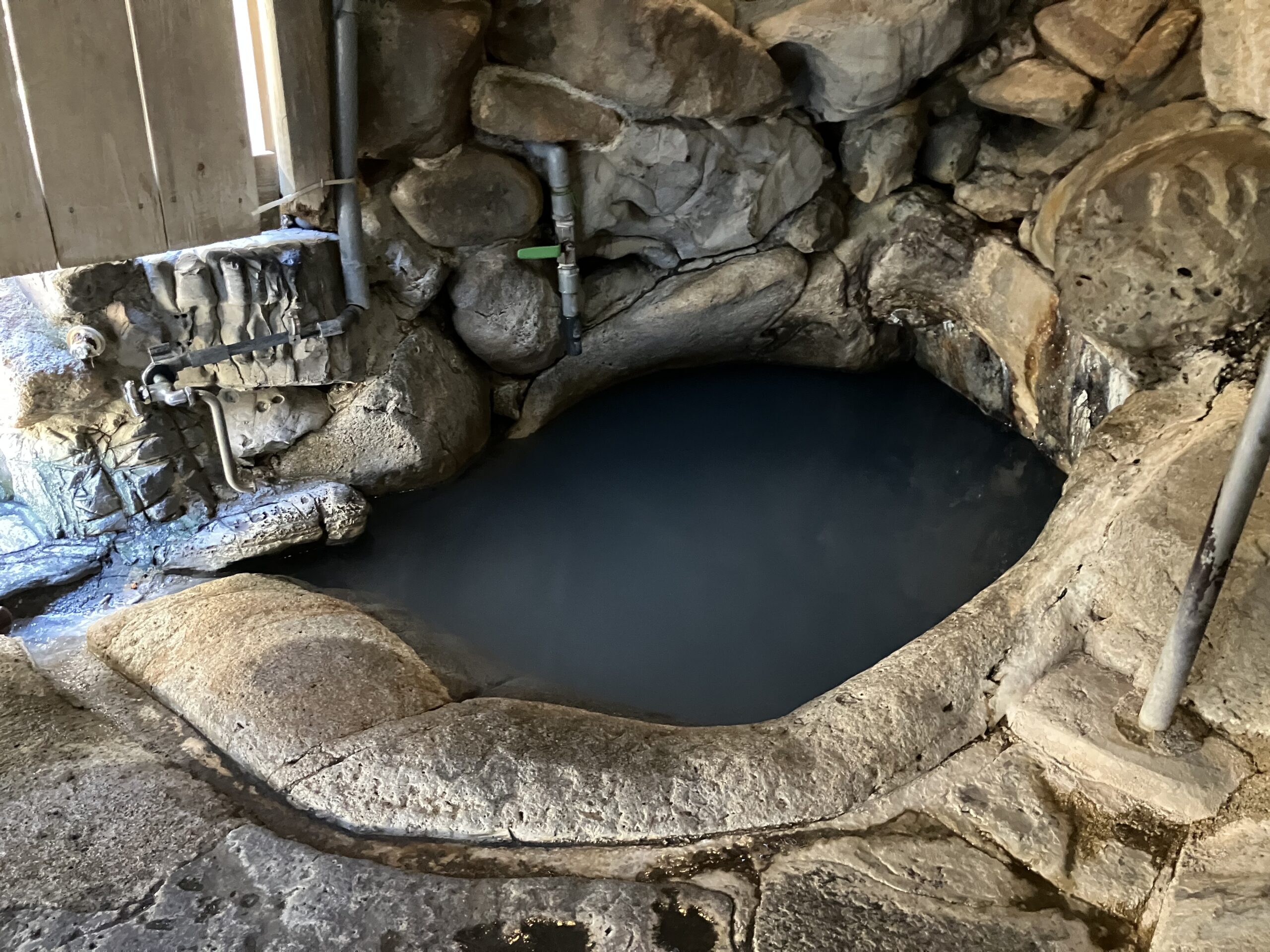
Along the Kumano Kodo lies Yunomine Onsen, said to have been discovered about 1,800 years ago and believed to be Japan’s oldest hot spring.
Yunomine Onsen is also home to the legend of Oguri Hangan, a story that has been passed down since the Muromachi period.
The two were deeply in love, but unable to gain her father’s approval, they ran away together. Enraged by their actions, her father had the man killed.
However, through the mercy of Enma Daio, the King of Hell, the man was returned to this world in a wretched, ghost-like form. He could neither see, hear, nor speak. After a long and difficult journey, the woman finally brought him to Yunomine in Kumano.
And with the blessings of Kumano Gongen and the healing waters of Yunomine Onsen, the man finally regained his original form.
This miraculous story continues to be passed down in Yunomine to this day.
Located in Yunomine Onsen is a unique hot spring called Tsuboyu.
Tsuboyu has long been deeply connected to Kumano worship, serving as a yugori purification site, where pilgrims walking the Kumano Kodo would cleanse themselves in the hot spring waters during their pilgrimage to Kumano.
And now, I had the chance to experience Tsuboyu, a hot spring that is part of a UNESCO World Heritage Site, for myself.
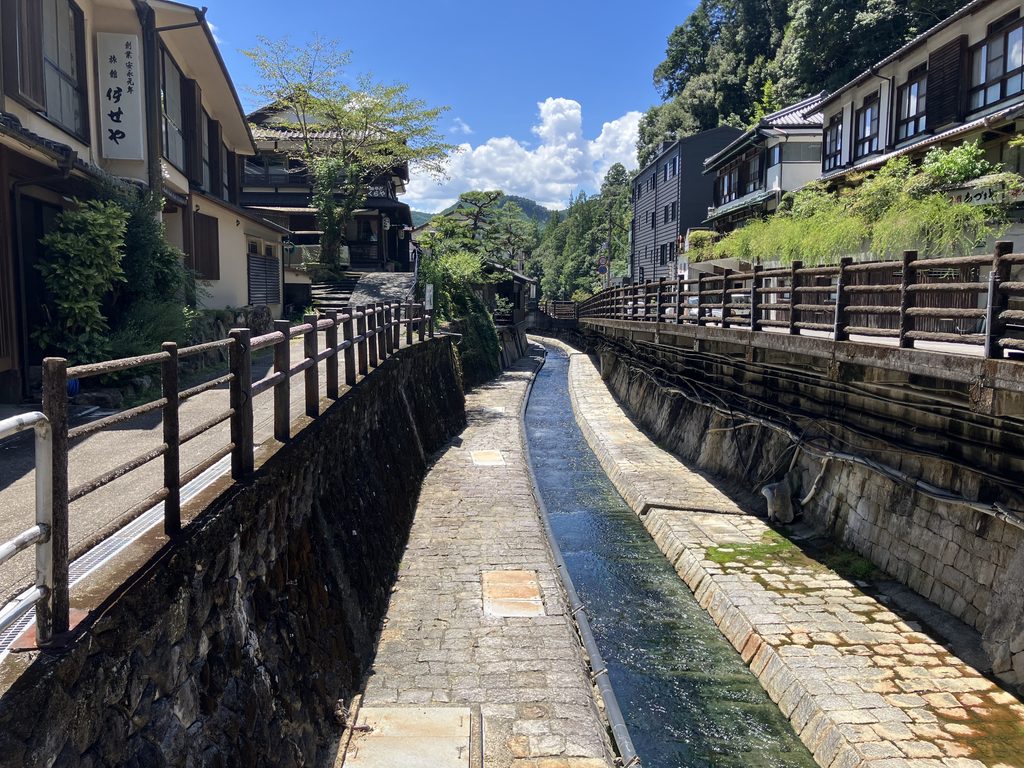
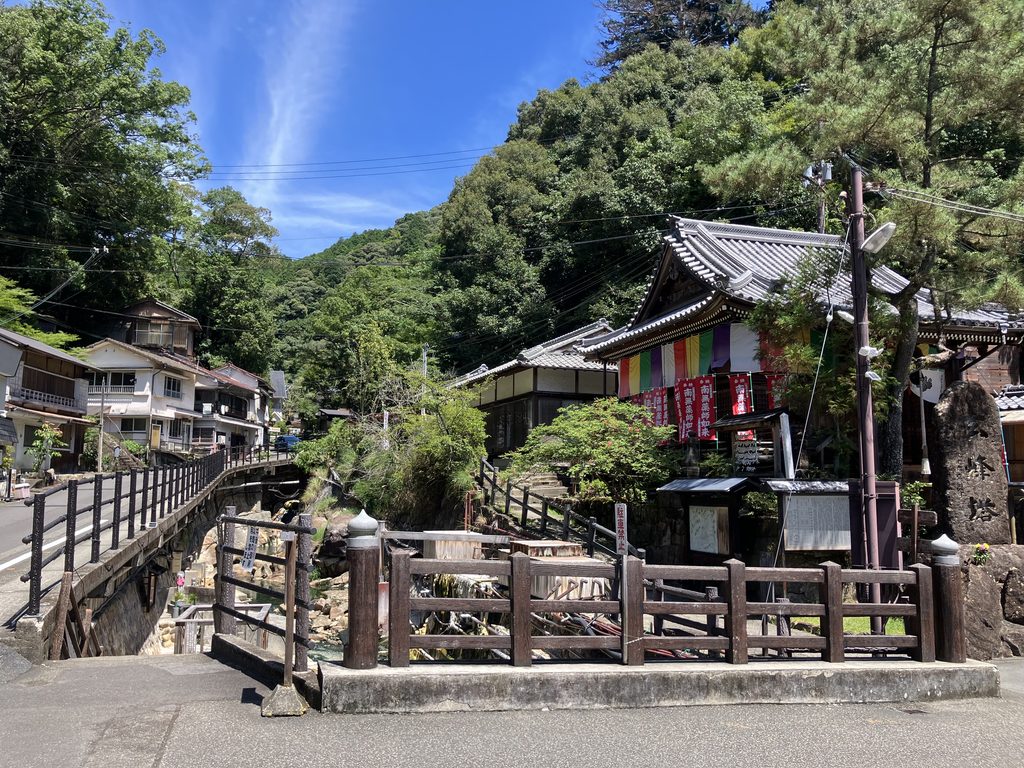
Yunomine Onsen: A Historic Hot Spring Village with Traditional Charm
Yunomine Onsen is a small hot spring village that still retains the traditional charm and atmosphere of an old Japanese onsen town.
Traditional inns and guesthouses line the river flowing through the mountain valley, creating a quiet, intimate atmosphere far removed from the feel of a busy tourist destination.
I love this peaceful atmosphere.
Since Yunomine Onsen is only about a 20-minute drive from Chikatsuyu, I sometimes come here on my days off to relax in the public hot spring bath.
For me, relaxing in the hot spring here has become one of the pleasures of my days off.
Finally, It’s Time for Tsuboyu
After paying the fee at the reception desk in front of the public bath, you receive a numbered ticket. From there, it is about a 50-meter walk to Tsuboyu, located beside a mountain stream.
This time, I visited during the summer off-season and arrived early in the morning, so I was able to enter right away without having to wait.
It seems that during the busy spring and autumn seasons, there can be a long wait to enter Tsuboyu.
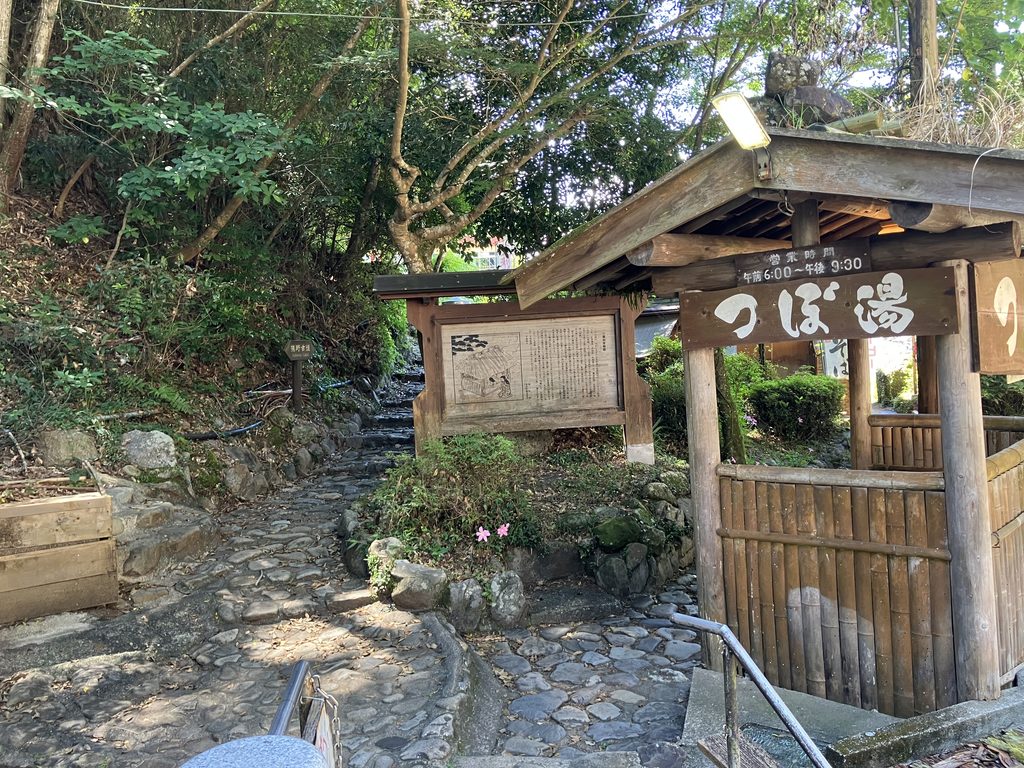
Tsuboyu is reserved for one group at a time, with each bathing session limited to 30 minutes.
A small wooden bathhouse with a moss-covered shingled roof.
There is something wonderfully charming about it.
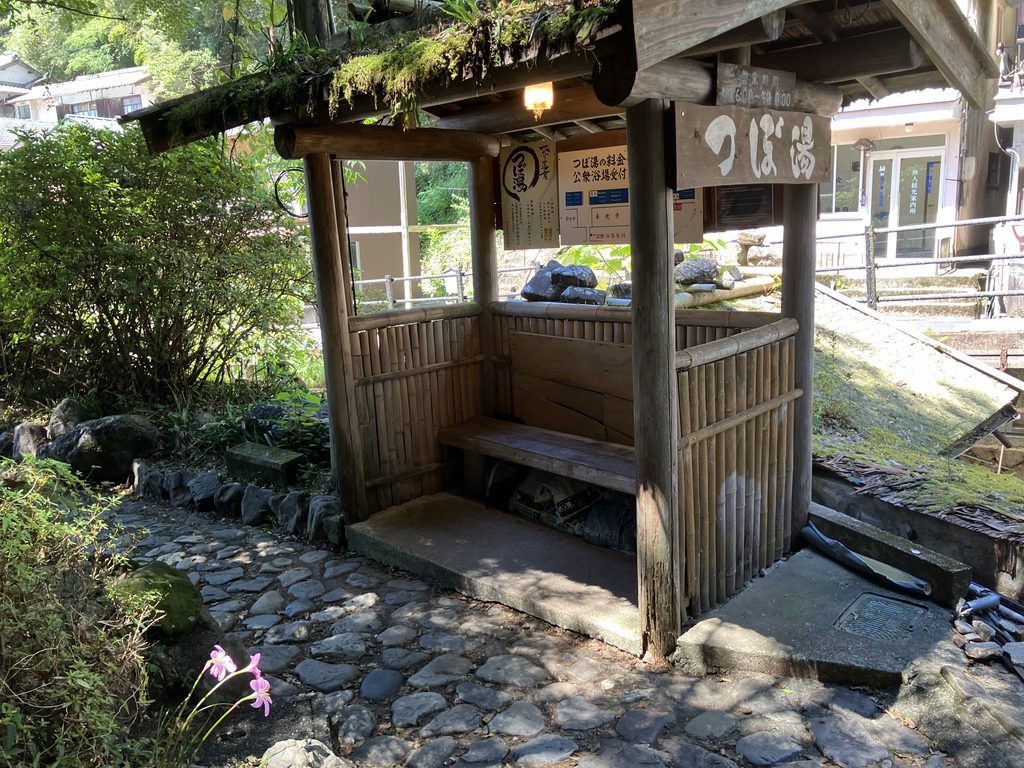
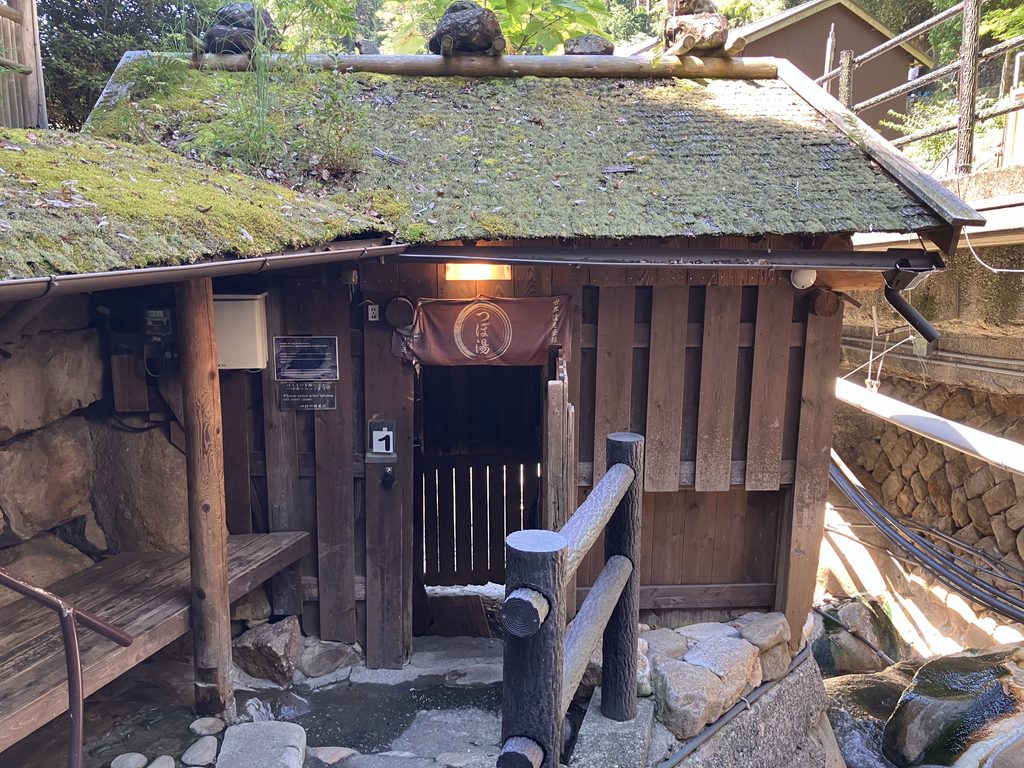
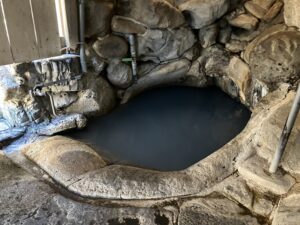
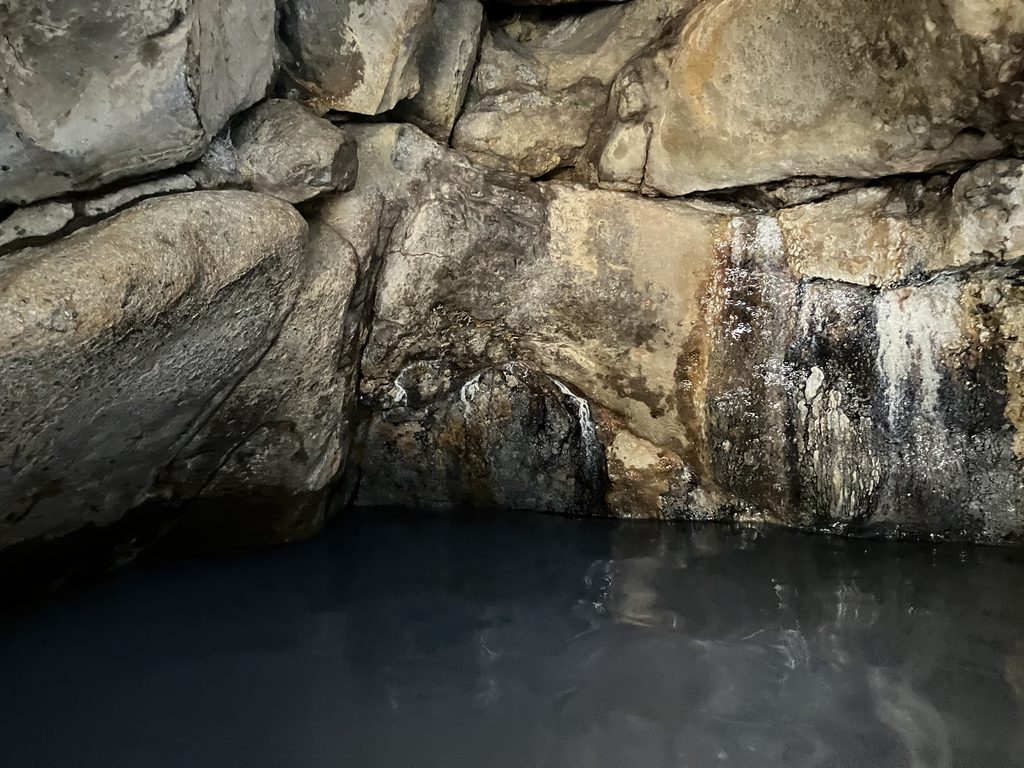
After taking off your shoes and stepping inside, you’ll find a small bath about two meters across, formed from a natural hollow in the rock.
It is just large enough for two adults to fit inside.
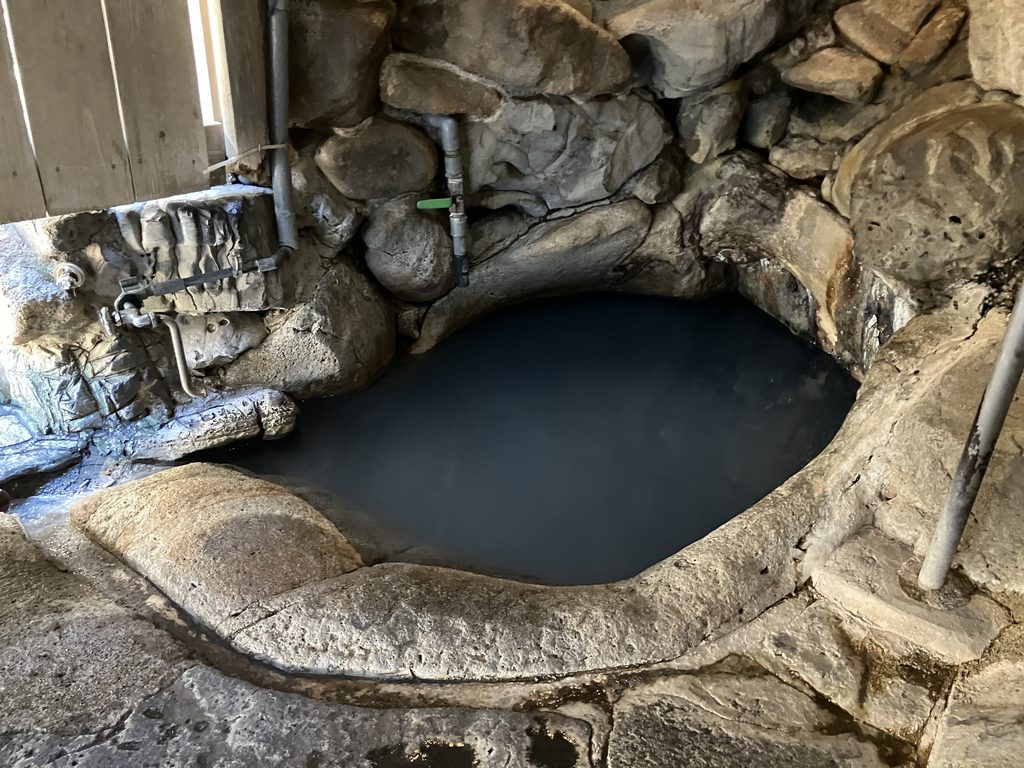
I dipped my hand into the water, and...
Hot!
Since the water comes directly from the hot spring source, it is quite hot at first. So, I add some cold water and stir it with a yukaki (wooden stirring paddle) until the temperature feels just right. This is something you can do precisely because the bath is so small.
With a larger hot spring bath, it would be difficult to adjust the temperature to your liking simply by adding cold water.
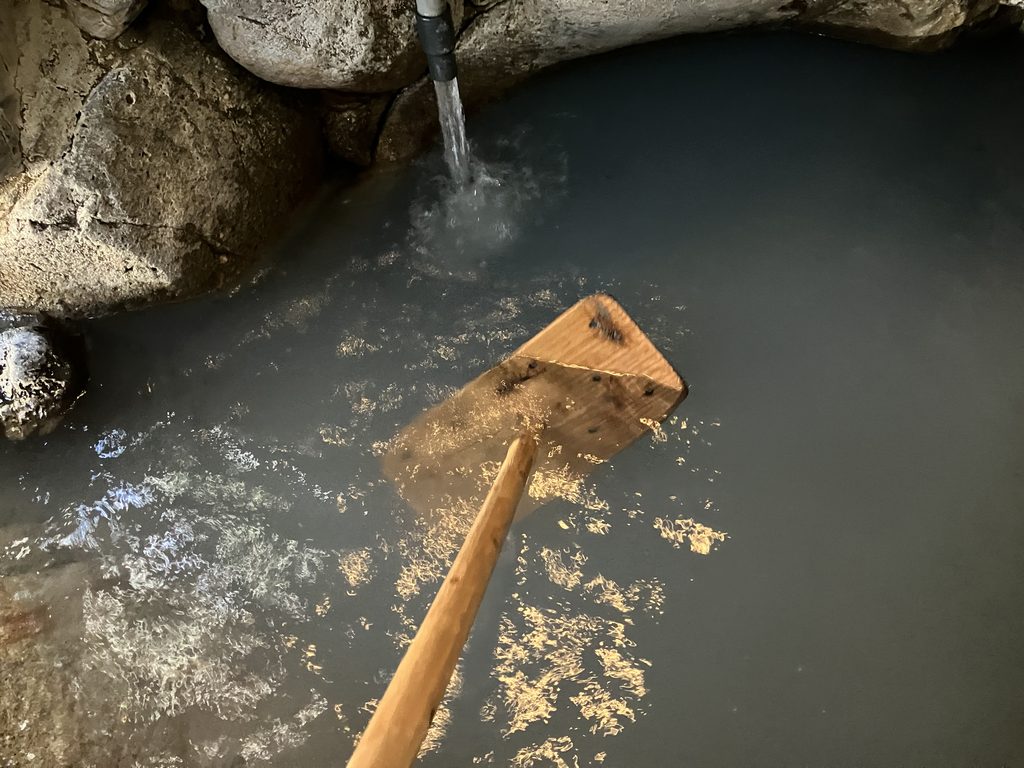
「“Now I get it—it really is like a pot!”
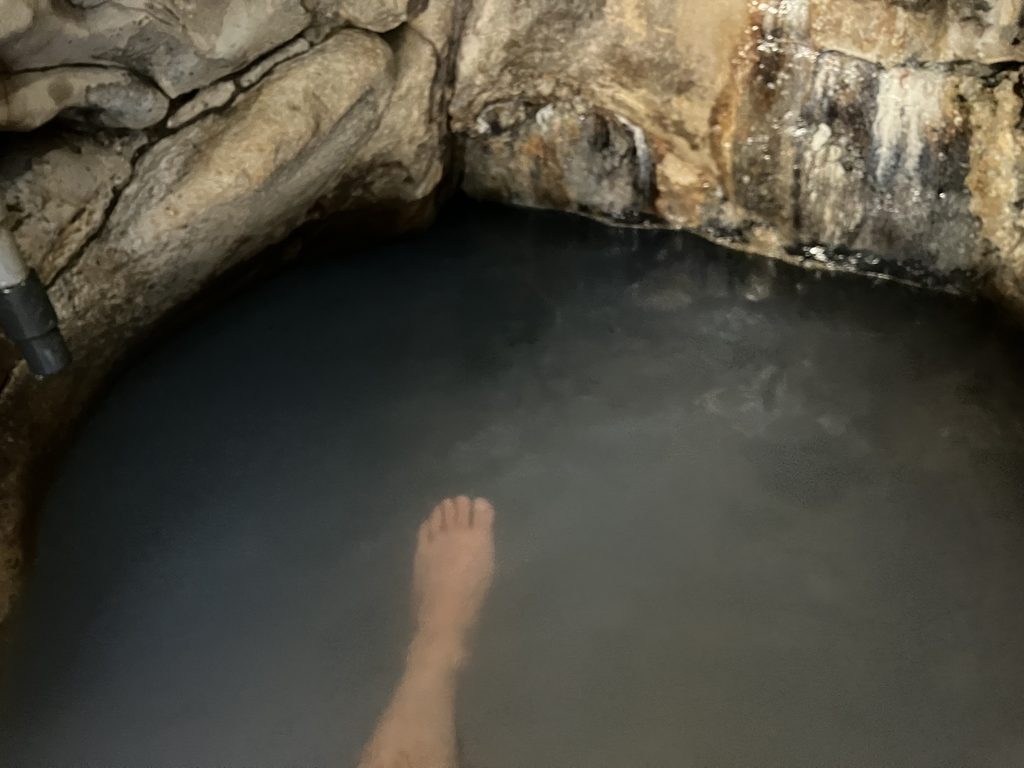
Once the water reached a comfortable temperature, I slowly stepped into the bath and lowered myself into the water. The rock bath was deeper than I had expected, with the water reaching about hip level even when I was standing.
That’s when it made sense to me.
“Now I get it! It really is like a pot!”
By bending down just a little, I could soak comfortably all the way up to my shoulders.
As I settled my whole body into the small rock bath, it really felt as though I were sitting inside a pot.
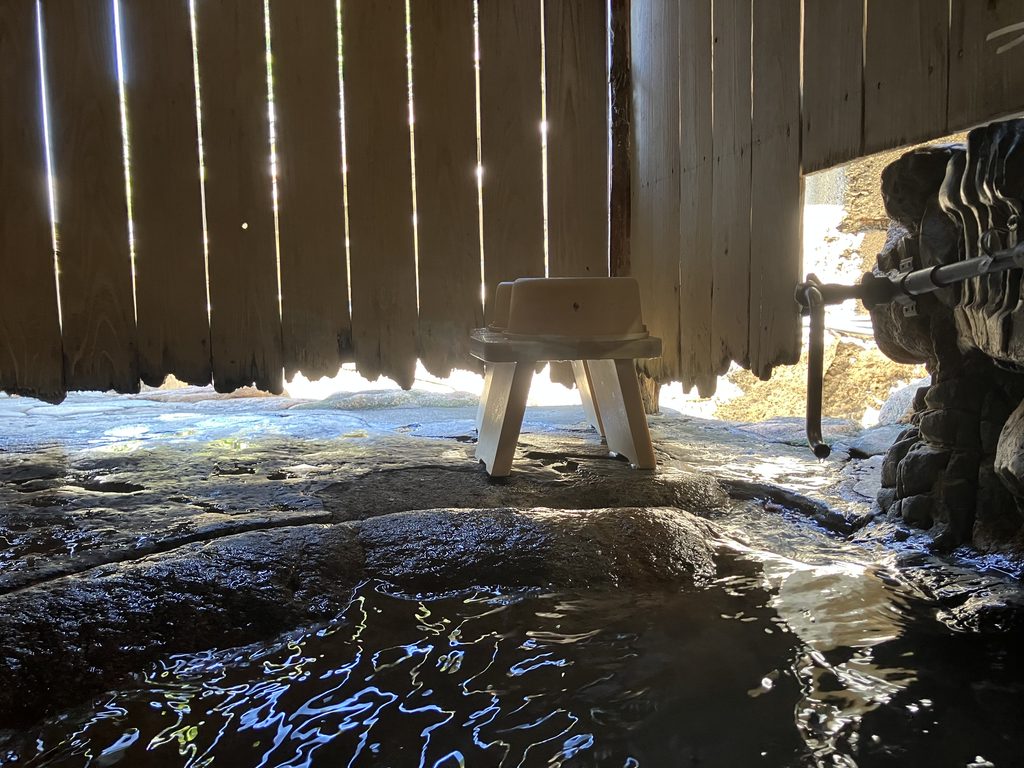
Soft light filters through the gaps in the wooden walls and between the stone floor and the walls. It illuminates the rocks and the surface of the water, creating a unique atmosphere inside the small bathhouse.
The only sounds I could hear were the gentle flow of the nearby mountain stream and the calls of summer cicadas. As I listened to the sounds of nature and relaxed into the hot spring water rising from deep beneath the earth, I could feel the tension slowly leaving my body. It felt as though my mind was relaxing too, and I felt completely at ease.
The water has a distinctive mineral quality, but the smell is not very strong, and it feels wonderfully smooth on the skin.
What If You Soaked Here After Walking the Kumano Kodo…?
I came here by car that day, but as I soaked in the hot spring, I found myself thinking:
“This would feel amazing after walking the Kumano Kodo.”
I imagined lowering my tired body into this small rock bath after a full day of walking. My tired muscles would slowly loosen as I looked back on the scenery I had seen along the Kumano Kodo that day.
“That climb was tough.”
“That forest was beautiful.”
Soaking in the hot spring while reflecting on the day’s journey and enjoying the sense of accomplishment after finishing the walk—it would be a wonderful way to end the day.
Just imagining it made me want to walk the Kumano Kodo again.
Spend some quiet time to yourself in this mountain hot spring, said to have been discovered about 1,800 years ago.
At first, I wondered, “Will 30 minutes be too short?” But once I actually got in, I found that 30 minutes was more than enough, partly because of the temperature of the water.
Even after getting out, my body stayed warm for a long time. I could feel the warmth deep inside me.
And above all, this is the legendary healing water said to have brought Oguri Hangan back to life. Thinking about that as I soaked, I almost felt as though the water were healing the tired or aching parts of my own body too.
It is interesting how knowing the legend behind a hot spring can make the experience feel a little different.
It would also be wonderful to visit in winter. Imagine soaking in this hot spring surrounded by the cold mountain air, warming your body all the way to the core. I think Tsuboyu would offer a completely different kind of experience from summer.
Making Onsen Eggs After the Bath
After getting out of Tsuboyu, there was one more thing I wanted to try: making onsen eggs.
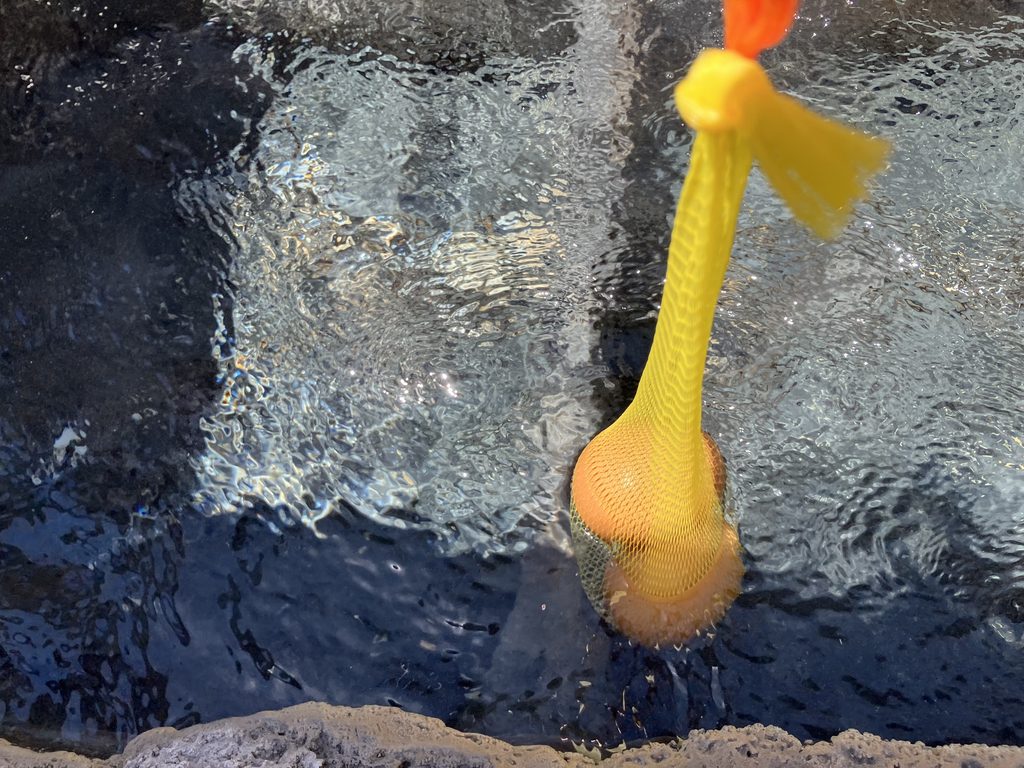
Between the public bath and Tsuboyu, there is a hot spring cooking basin called Yuzutsu, where water from the spring emerges at over 90°C (194°F). You can place raw eggs in the hot spring water and cook them there to make onsen eggs.
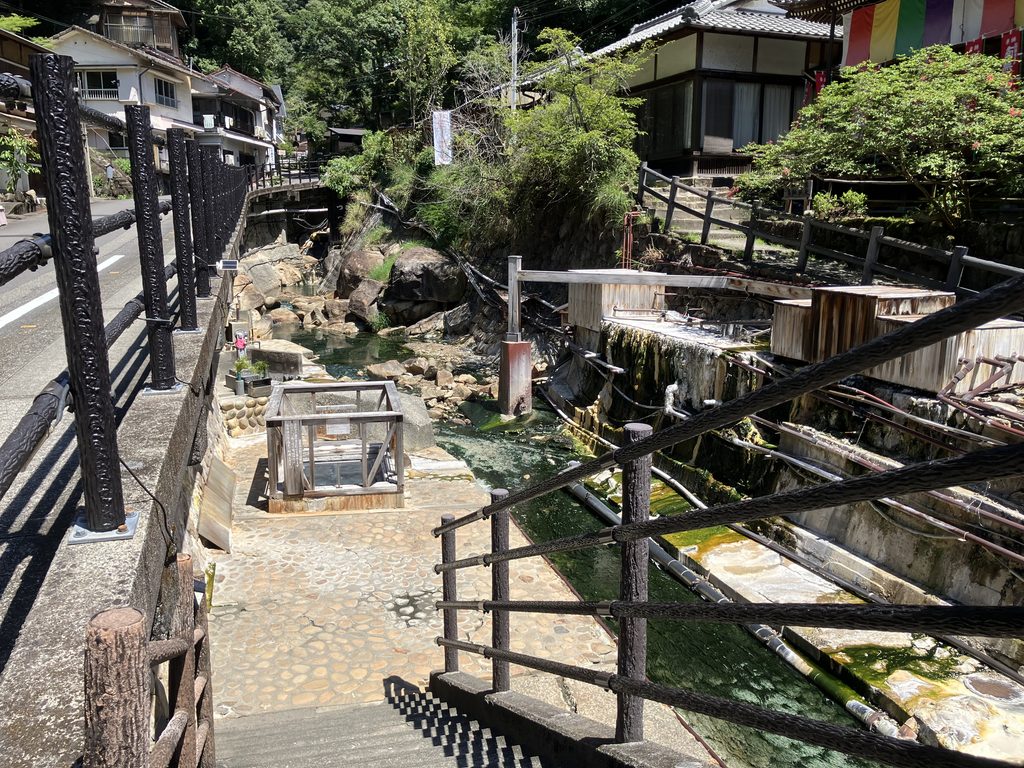
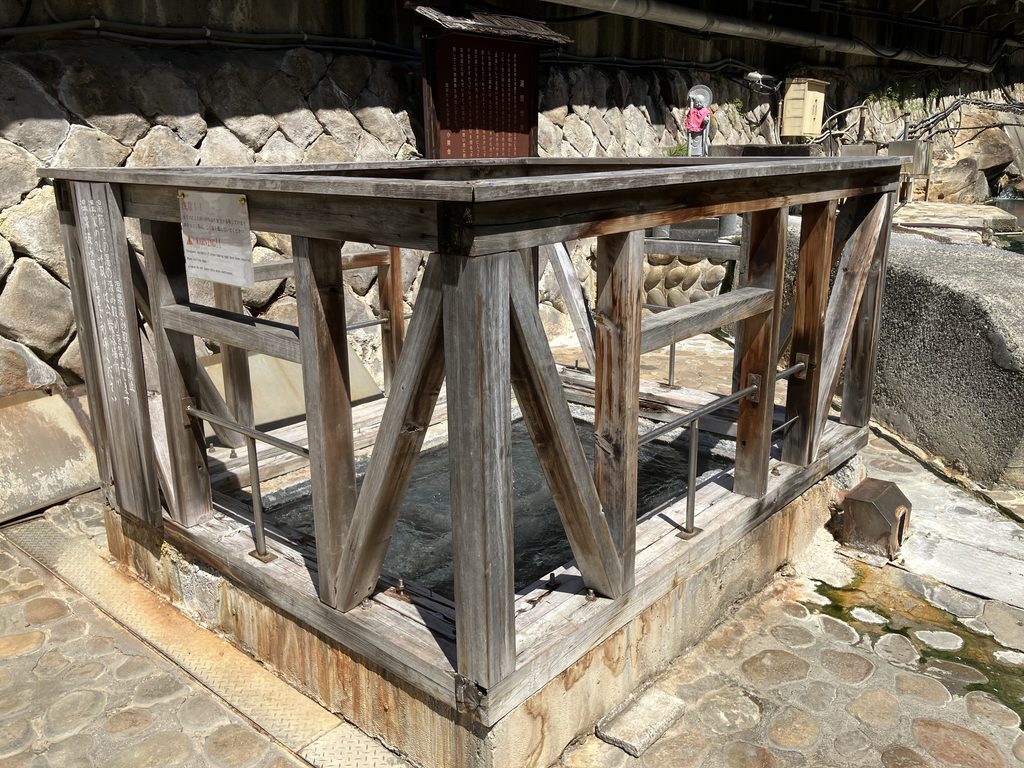
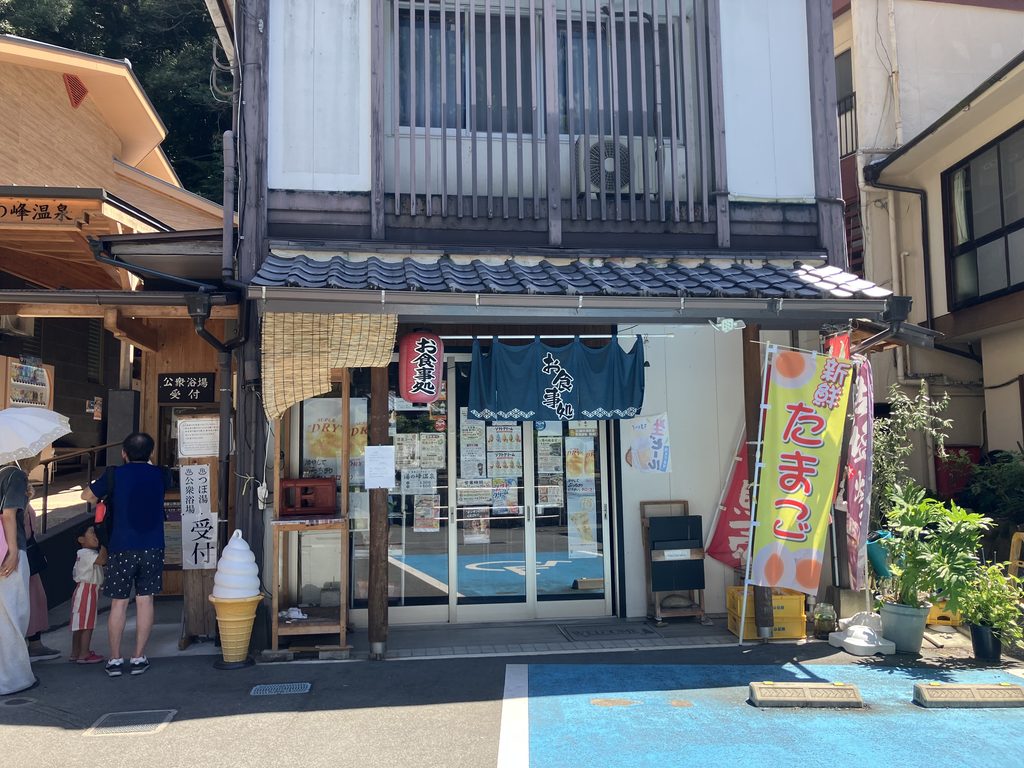
I bought the eggs at a shop next to the reception desk of the public bath. I placed them in the Yuzutsu and let them cook for about 12 minutes.
It is said that people cook not only eggs here, but also corn, sweet potatoes, and other foods.
Cooking the gifts of nature in hot spring water that comes directly from the earth somehow feels like a special luxury.
And this is no ordinary hot spring—it is the legendary “miraculous water” said to have brought Oguri Hangan back to life. Thinking about that makes even a simple boiled egg feel a little more special.
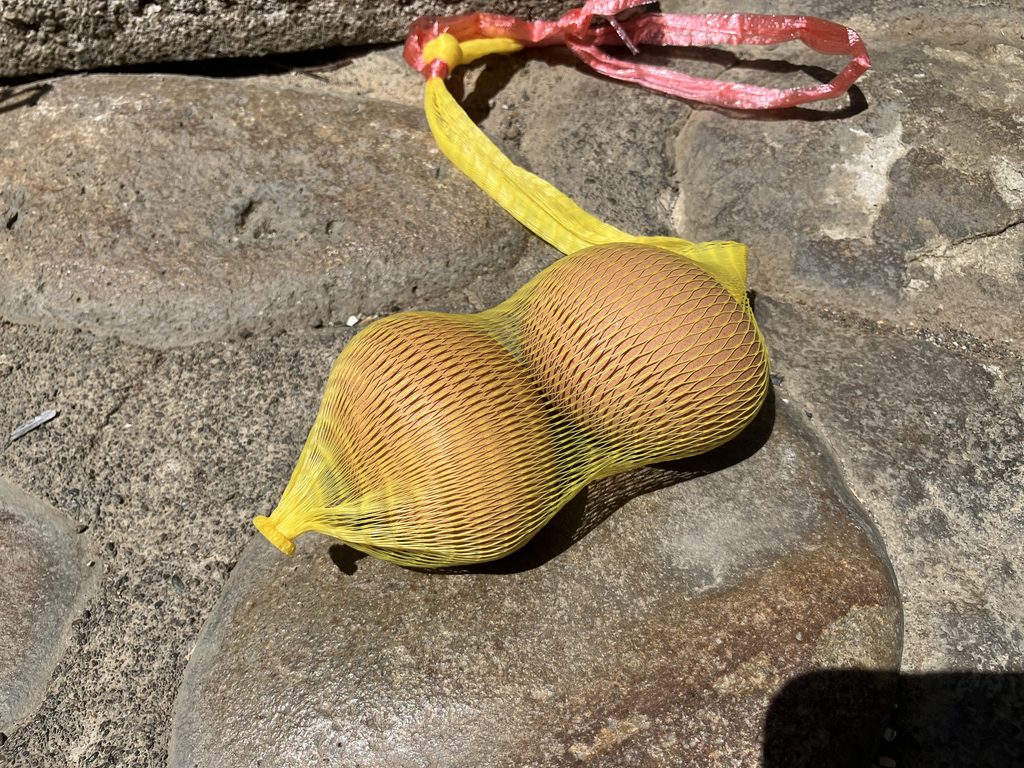
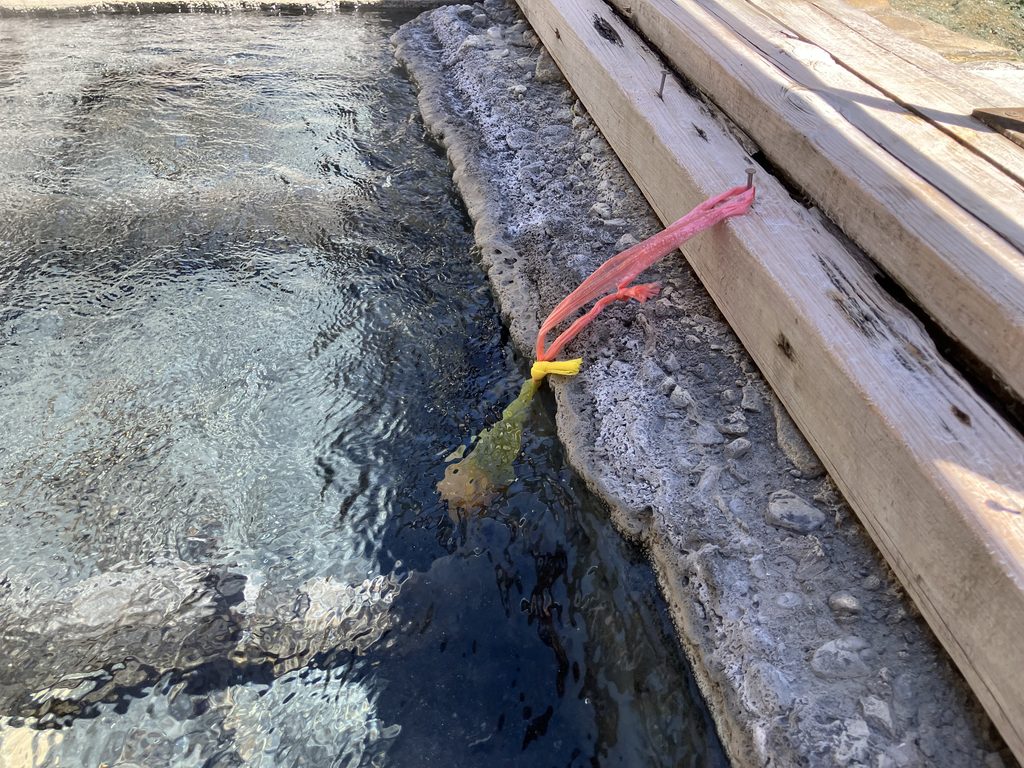
With the freshly cooked eggs in hand, I headed to the grounds of a nearby temple.
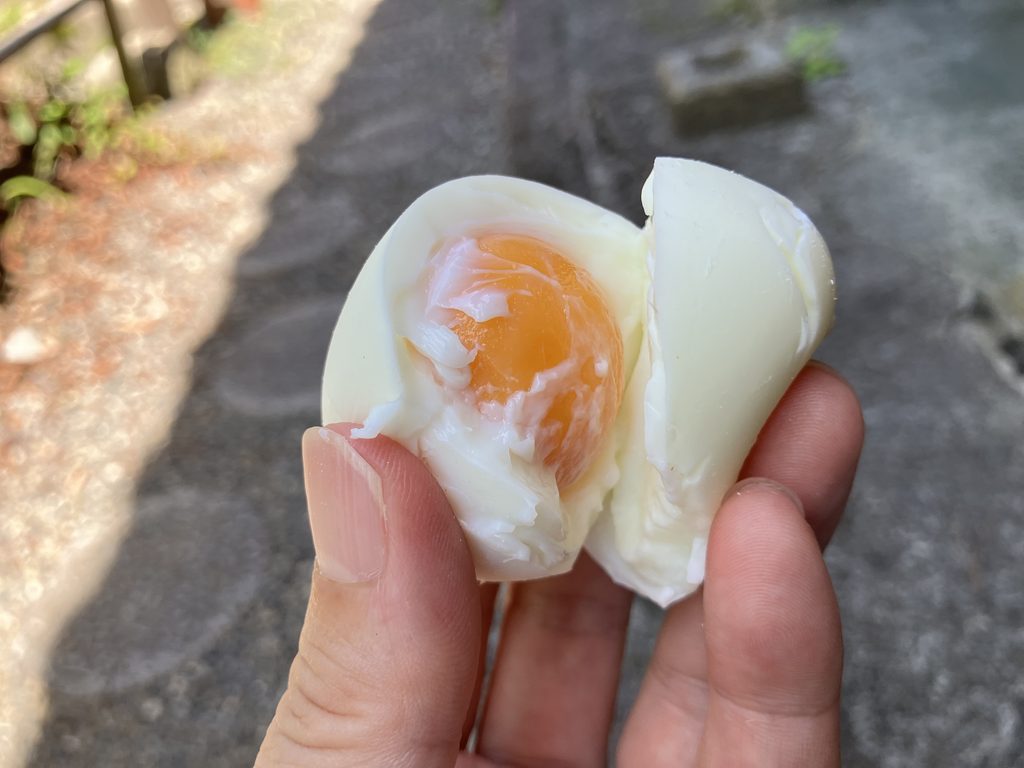
I sat down and began peeling the eggs. But getting the shells off turned out to be quite a challenge! (laughs)
Still, the onsen egg tasted especially delicious as I enjoyed it while looking out over the traditional scenery of Yunomine Onsen.
I soaked in the hot spring, listened to the sound of the mountain stream, and finished by enjoying an egg cooked in the hot spring water. I have visited Yunomine Onsen many times, but this time I was able to enjoy it in a slightly different way than usual.
Thinking about how pilgrims walking the Kumano Kodo have come here for centuries to purify themselves and soothe their tired bodies, I am reminded that Yunomine Onsen is much more than just a hot spring village.
The nature, faith, history, and daily life of the people of Kumano—all of these still live on in this small hot spring village today.
That was how I spent a summer day at Yunomine Onsen, reflecting on all that makes this place so special.
Where to Stay on the Kumano Kodo Nakahechi Route
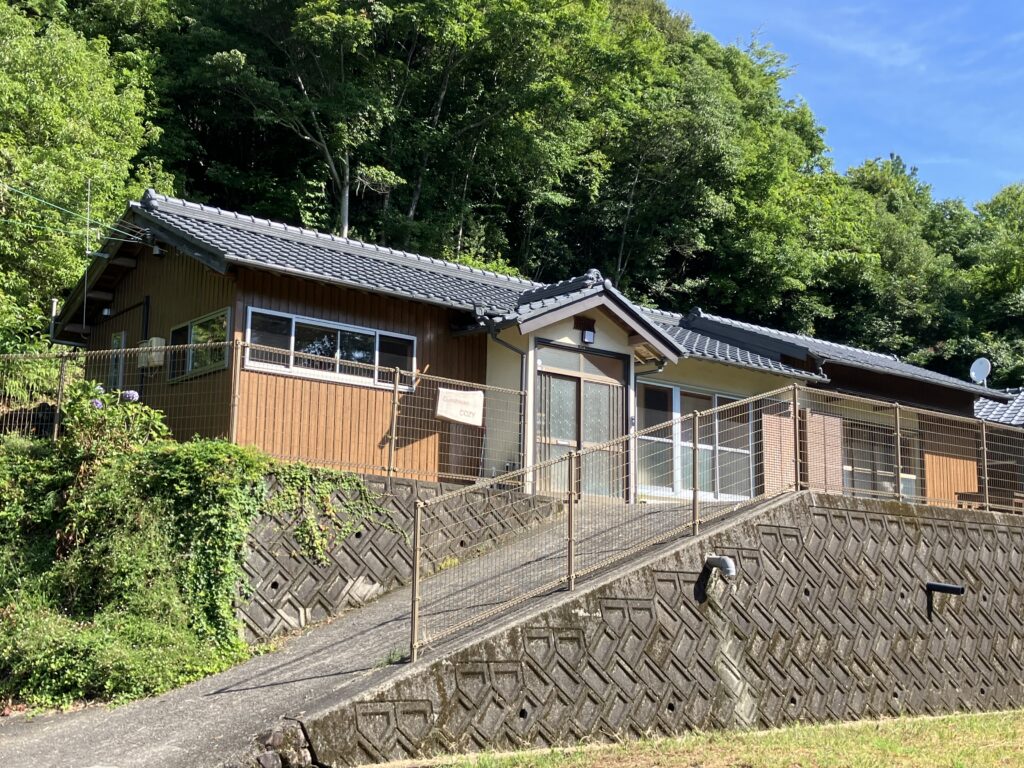
🏡 Guesthouse COZY(Chikatsuyu)
About 13 km (8 miles) from Takijiri-oji.
Located about halfway to Kumano Hongu Taisha, it is an ideal place to rest before the longer hike on the following day.
With only three guest rooms, Guesthouse COZY offers an intimate atmosphere where sharing dinner with hikers from around the world becomes one of the most memorable parts of your journey.
A Small Guesthouse with Only Three Rooms
Meet Fellow Hikers
Homemade Dinner, Breakfast & Packed Lunch
Solo Travelers Welcome
▶ View Accommodation at Guesthouse COZY