From time to time, our guests mention that they included Naoshima in their itinerary while traveling around Japan.
Having grown up by the Seto Inland Sea, Naoshima had always been a place I wanted to visit. So, I finally took the opportunity to go there during my summer vacation.
These days, I live surrounded by the forests of the Kumano Kodo. Yet sometimes, I feel drawn to the sea. I wanted to immerse myself in the peaceful scenery of the Seto Inland Sea, whose gentle beauty is quite different from the tranquil silence of the forest.
As I gazed out at the sea dotted with islands, the familiar scenery of my childhood hometown slowly came back to me.
Although Japan is surrounded by the sea, the Seto Inland Sea has a character and beauty all its own.
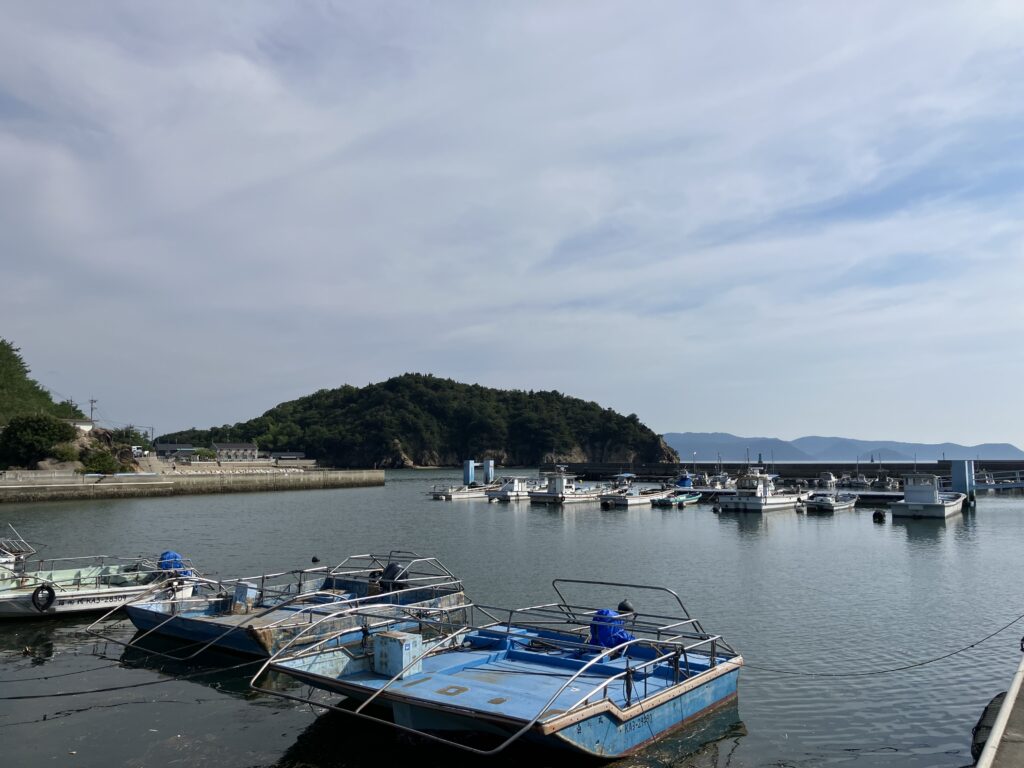
Countless islands of all sizes dot the sea, while gentle waves and fishing boats travel quietly between them. Some islands are uninhabited, while others are home to local communities, each with its own history and way of life. Fishing ports, terraced fields, and traditional townscapes create a nostalgic atmosphere that still remains today.
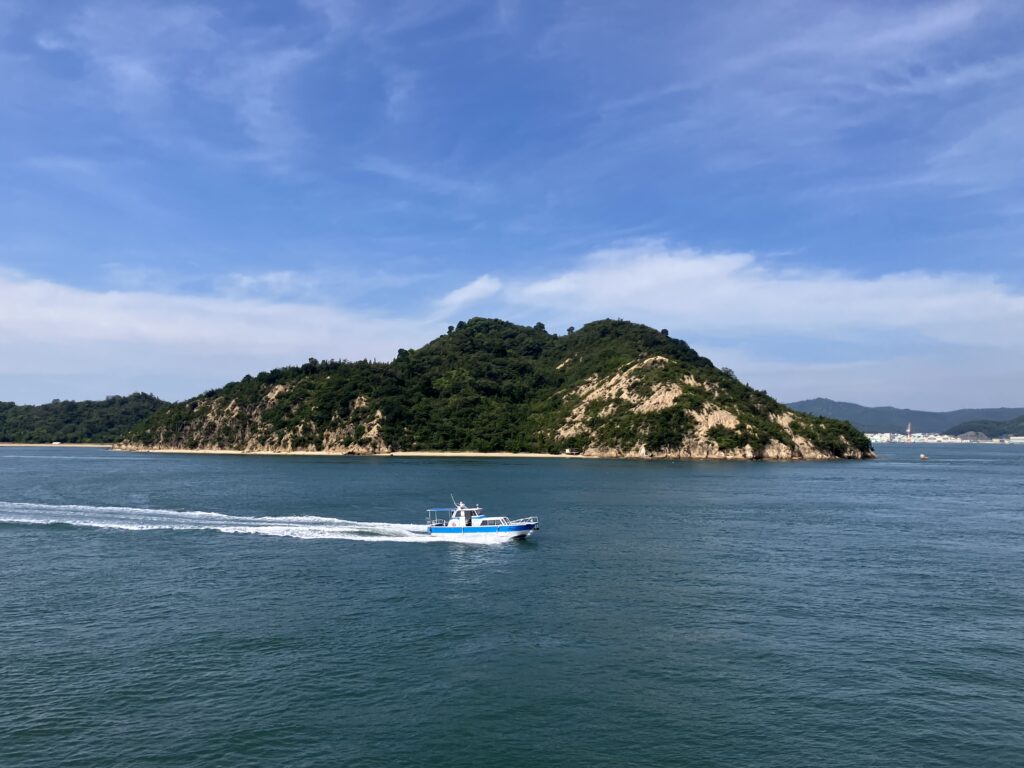
Among the many islands scattered across the Seto Inland Sea, Naoshima has become internationally renowned in recent years as "Japan's Art Island."
Naoshima is also one of the main venues for the Setouchi Triennale, a contemporary art festival held once every three years, attracting visitors from around the world.
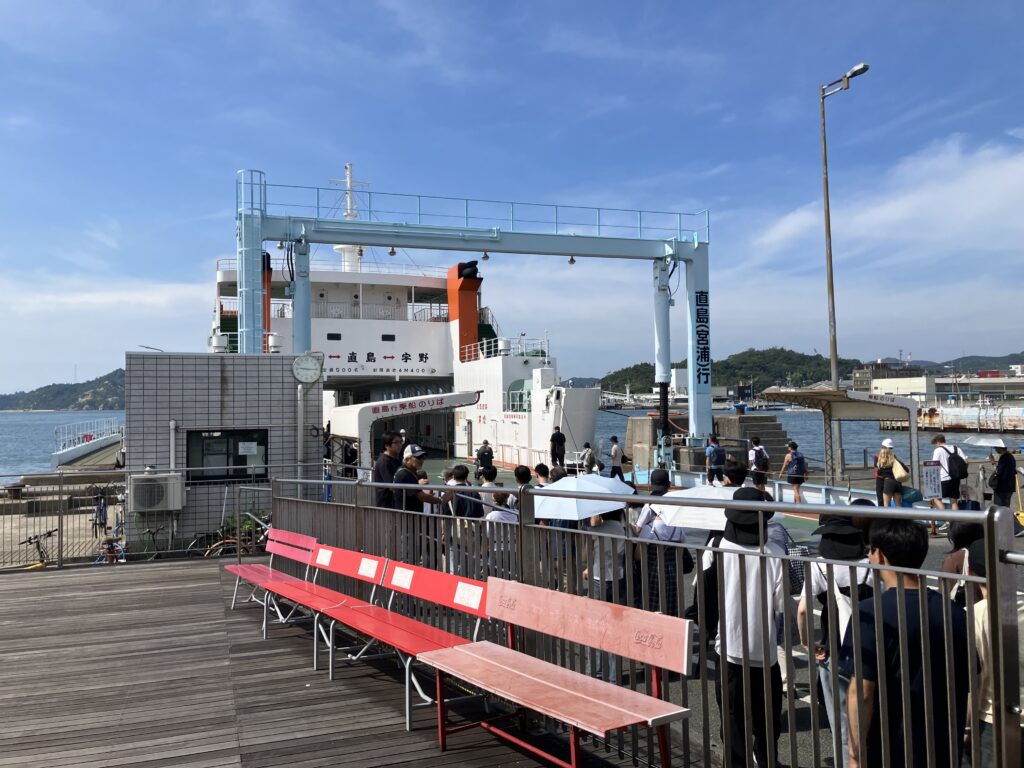
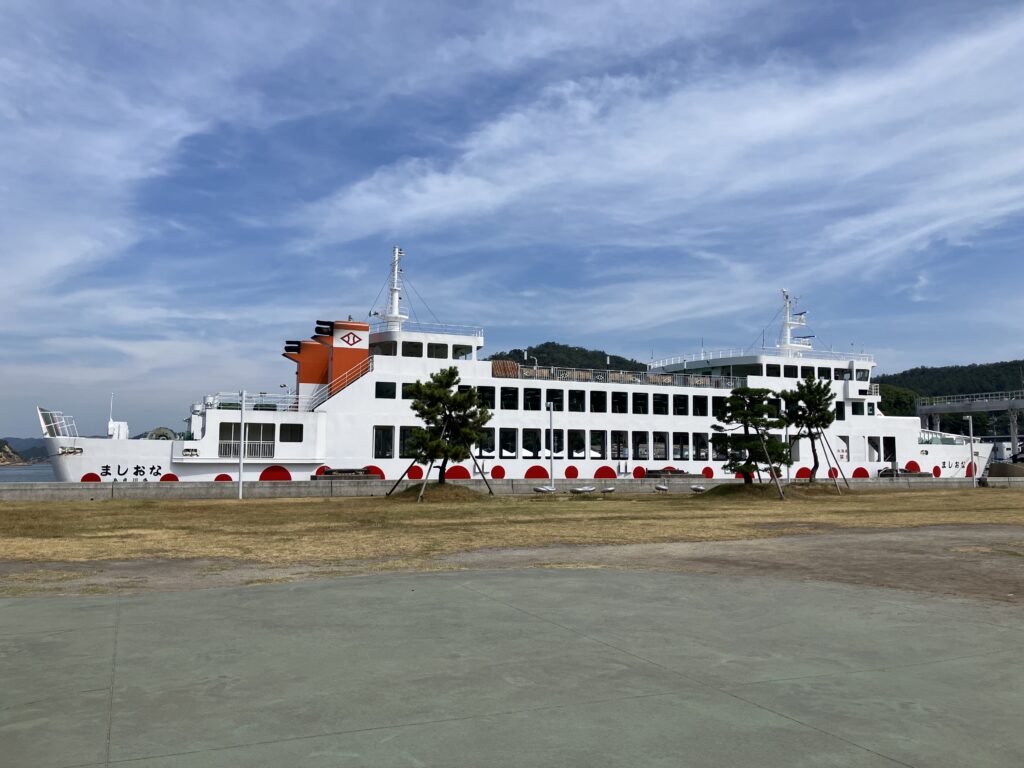
I traveled to Naoshima by ferry from Uno Port in Okayama Prefecture. The crossing took only about 20 minutes.
It was early August, at the height of summer. With the school holidays underway, the ferry was filled with families traveling with children as well as visitors from around the world.
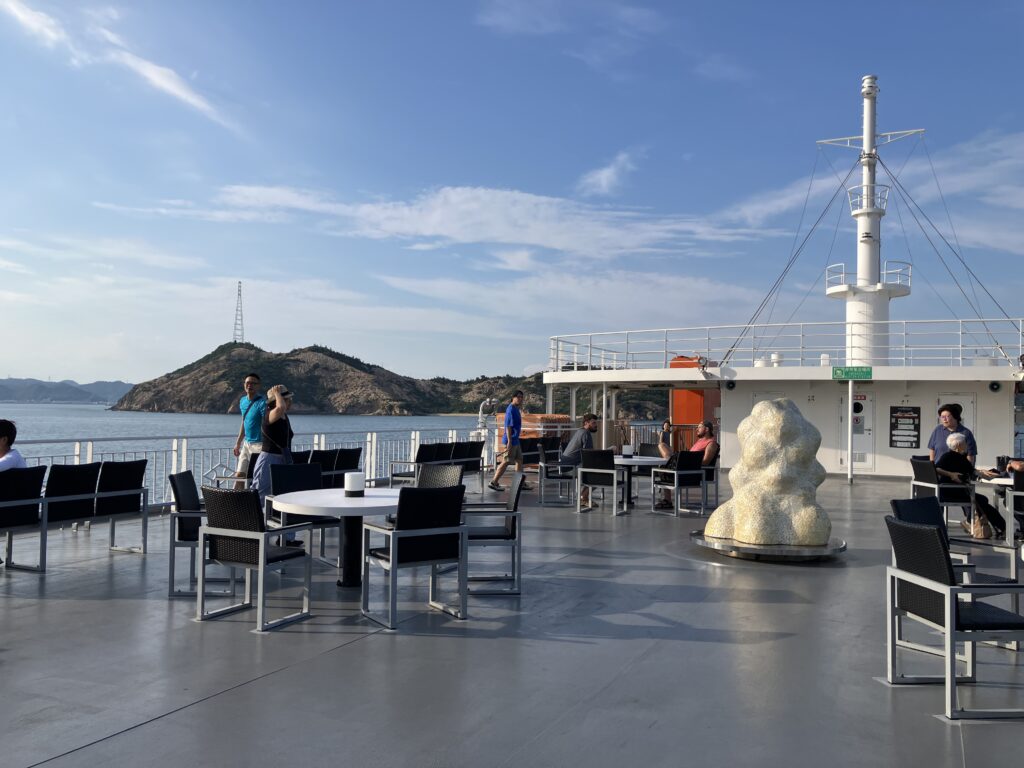
As soon as the ferry set sail, I made my way to the deck.
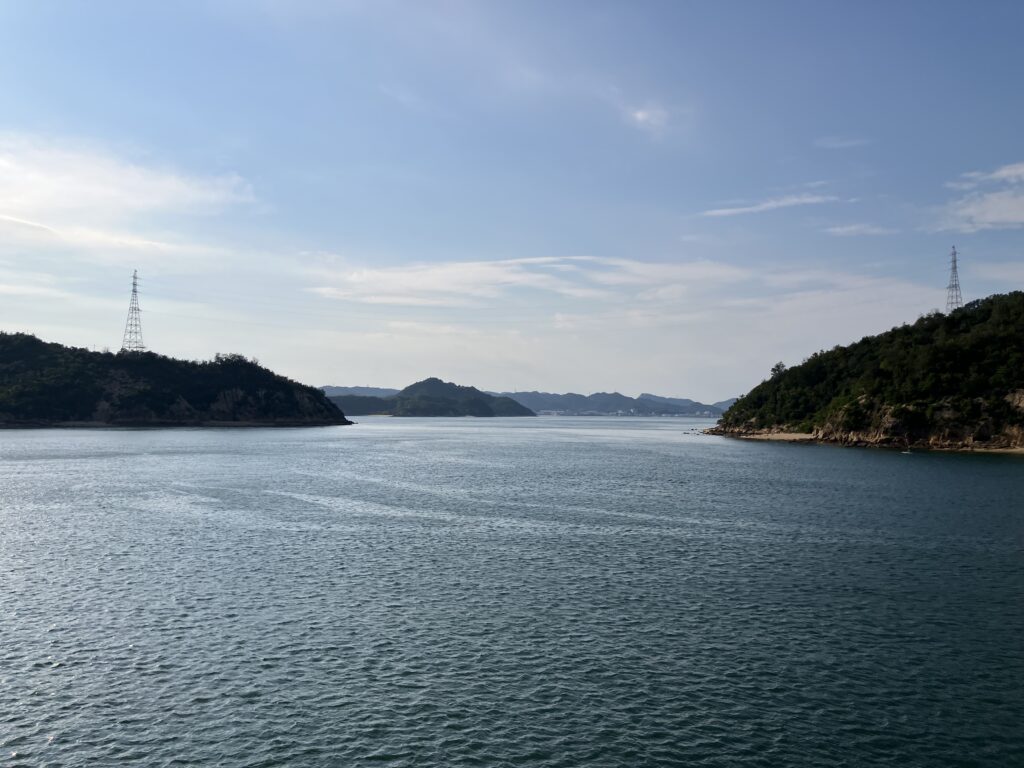
As the ferry glided across the sea, I found myself enjoying the ever-changing views of islands and boats passing by. Although the summer sun was strong, the sea breeze was refreshing, bringing back memories of the familiar scenery of the Seto Inland Sea from my childhood.
For me, this is one of the defining landscapes of my childhood.
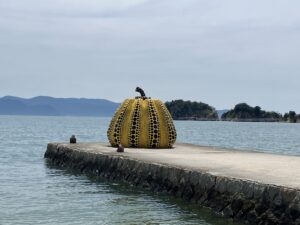
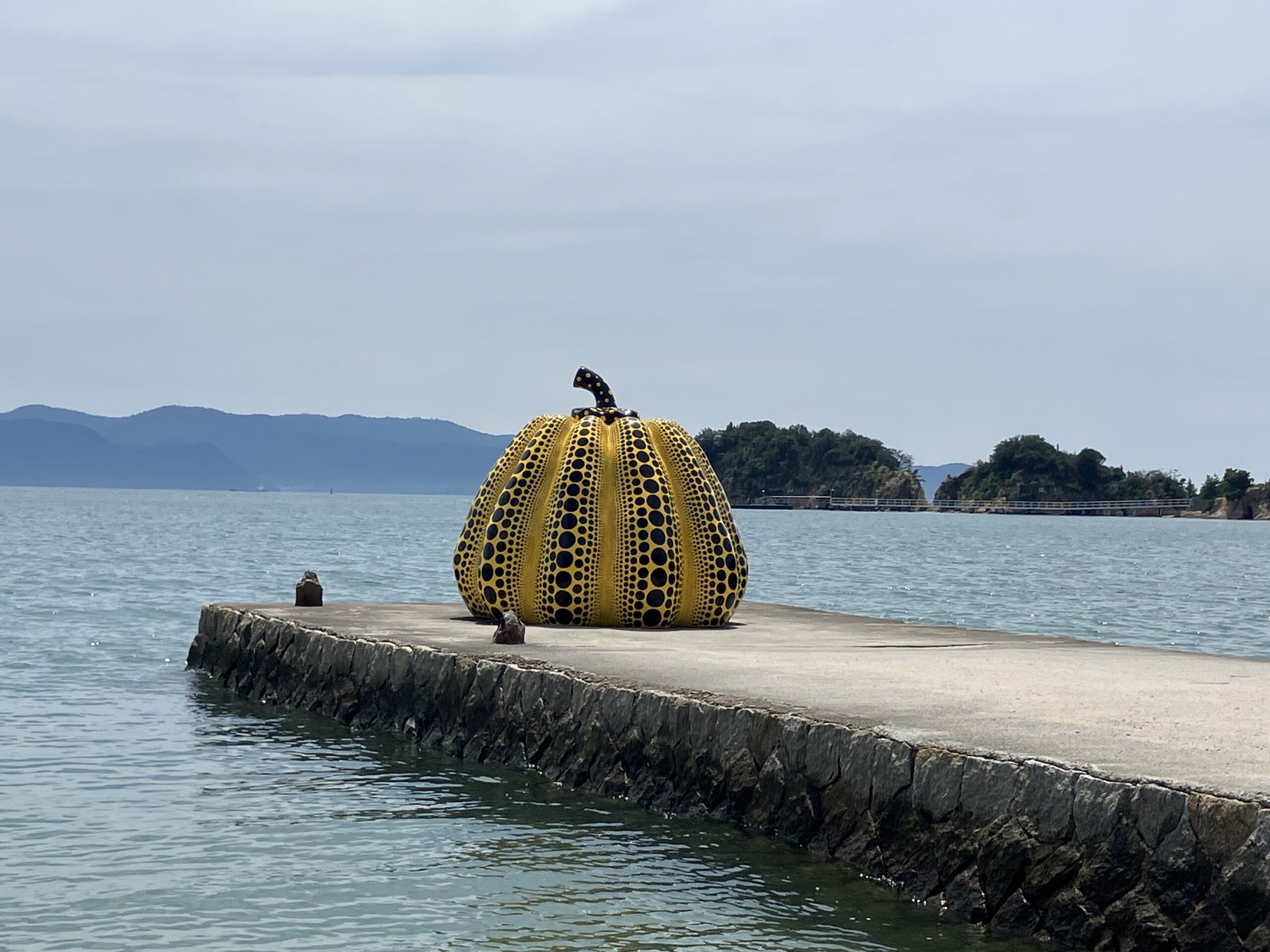
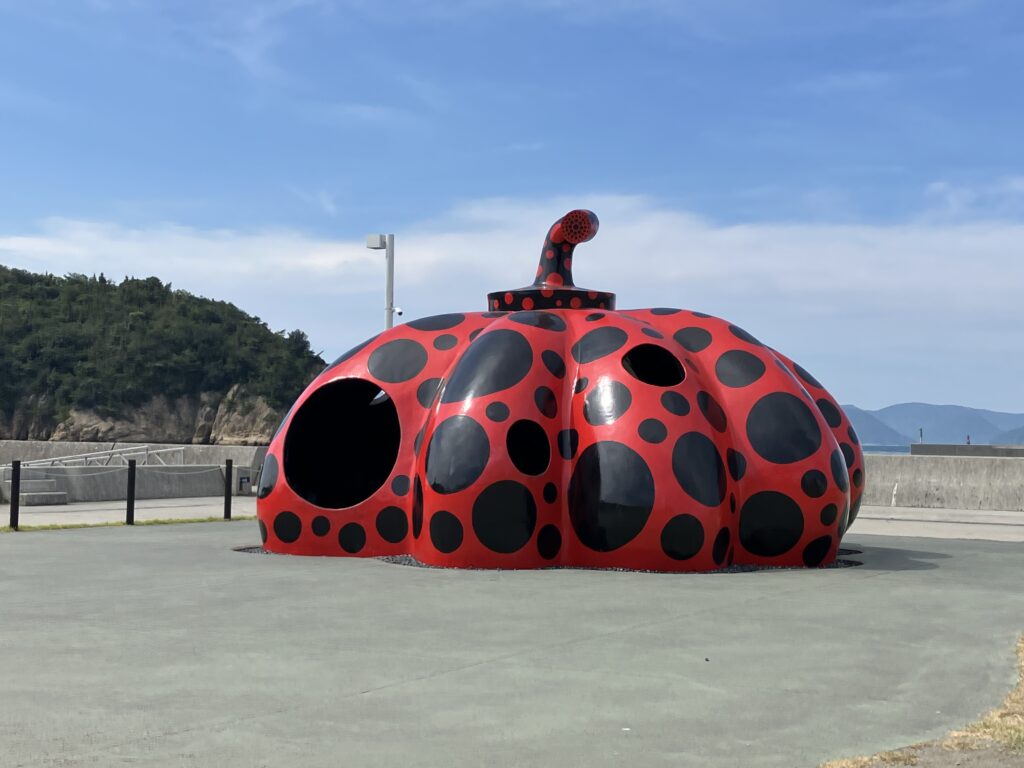
As I arrived at Miyanoura Port, I was welcomed by "Red Pumpkin," one of Yayoi Kusama's most iconic works.
My first stop was a bicycle rental shop.
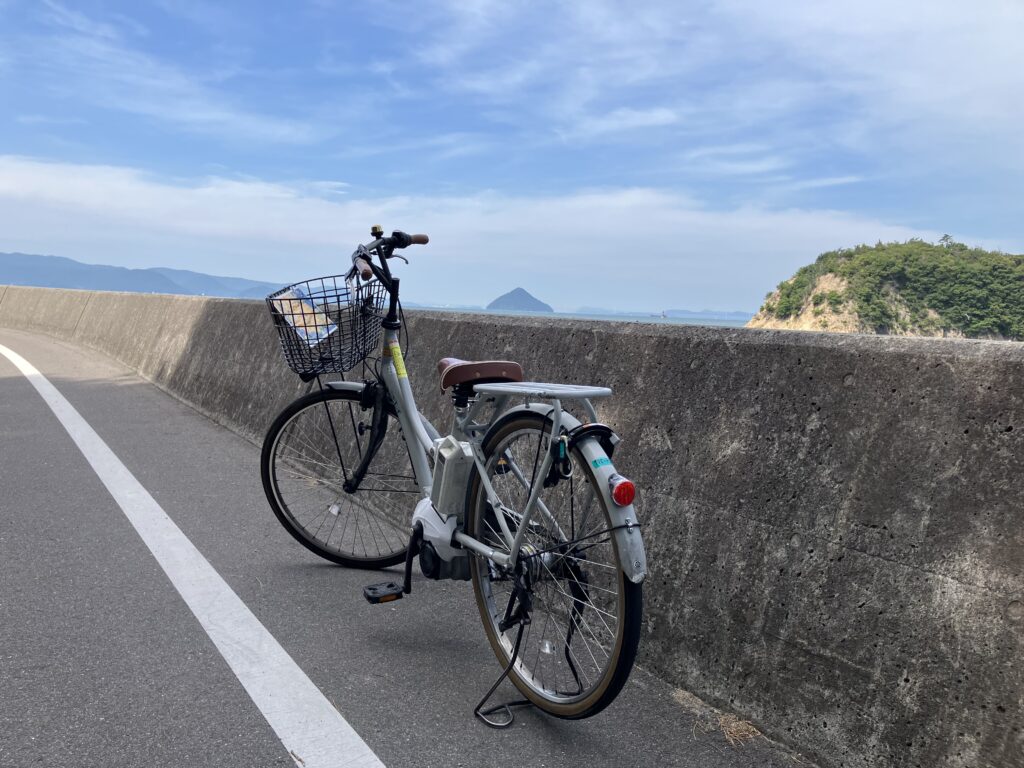
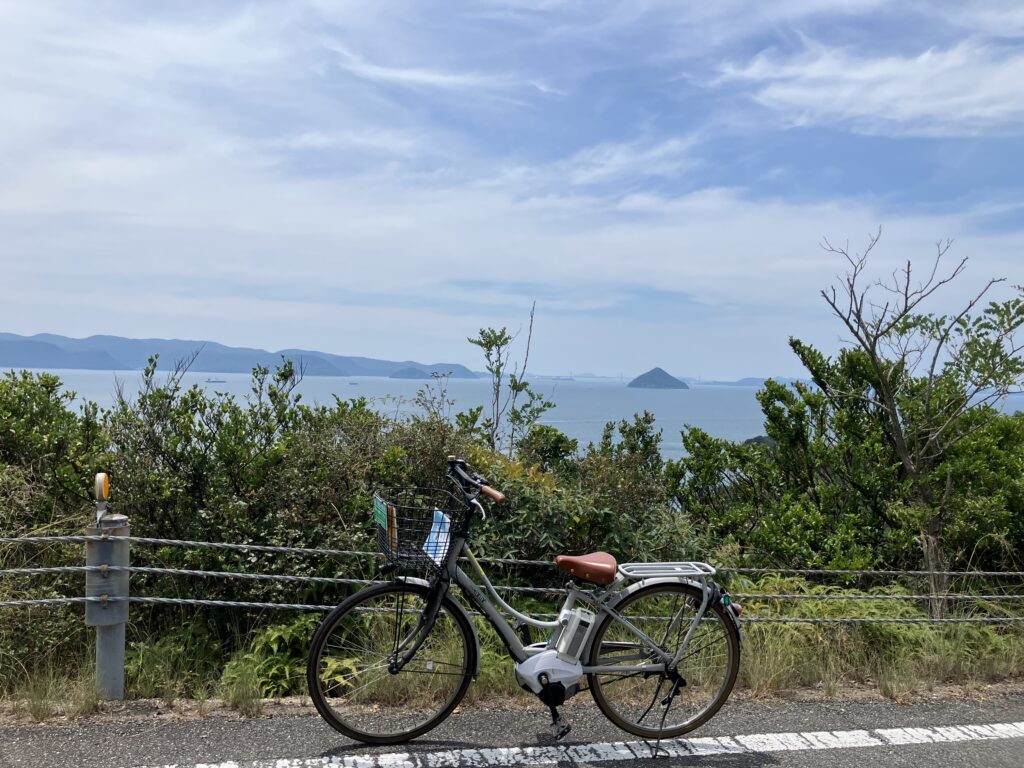
With a circumference of about 16 kilometers, Naoshima is just the right size to explore by bike. Most of the major museums can be reached within about 15 minutes, making it easy to enjoy the island at your own pace.
As there are quite a few steep hills on the island, I decided to rent an electric bicycle.
The first place I visited was the Chichu Art Museum, designed by the world-renowned architect Tadao Ando.
To preserve the island's natural landscape, the museum is built underground, just as its name suggests.
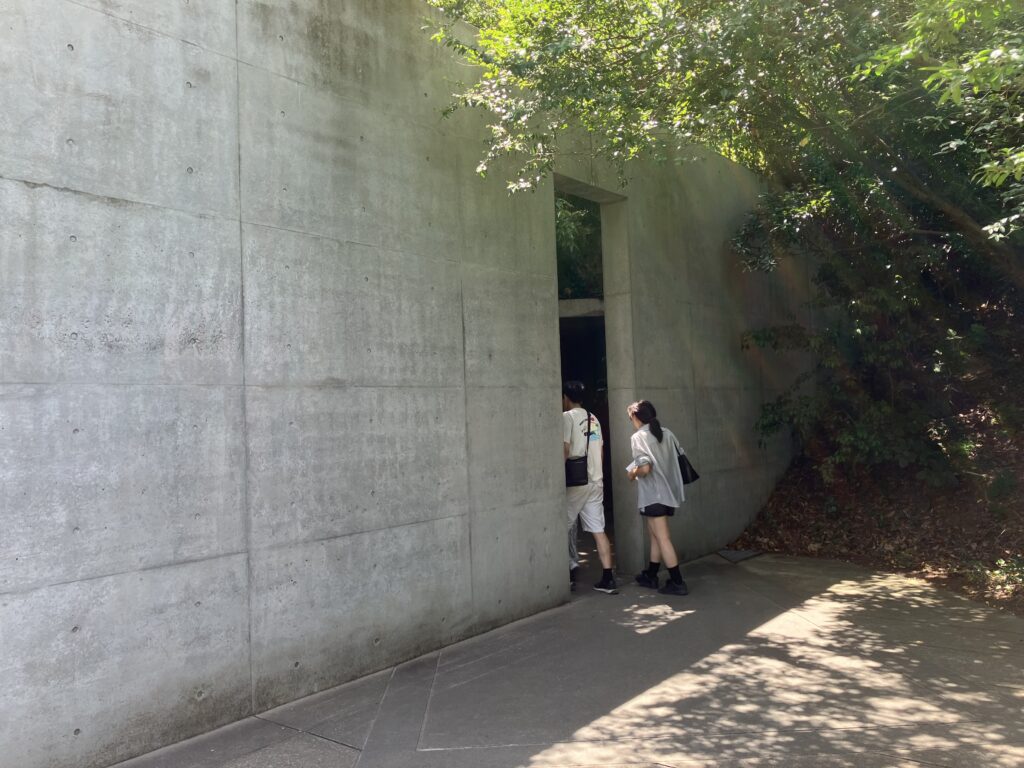
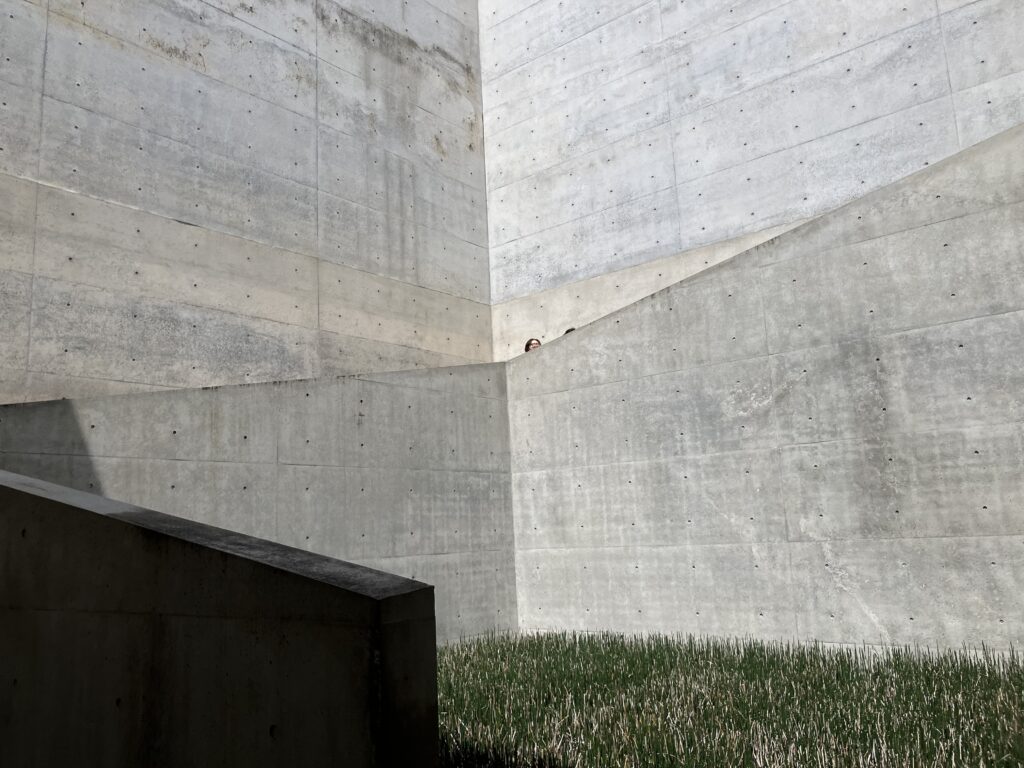
Inside, natural light is skillfully woven into the architecture, creating a breathtaking space where concrete and light blend in perfect harmony. It felt as though I had stepped into another world.
Photography is not allowed inside the museum, but perhaps that's one of the reasons it's so easy to become fully immersed in the artworks.
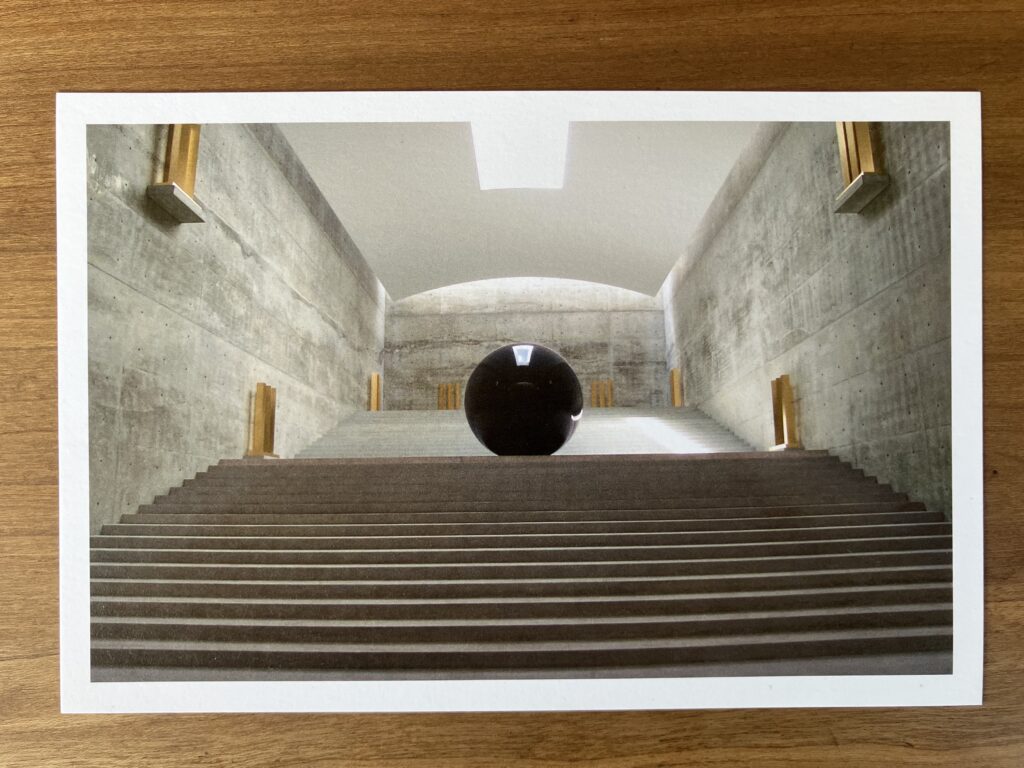
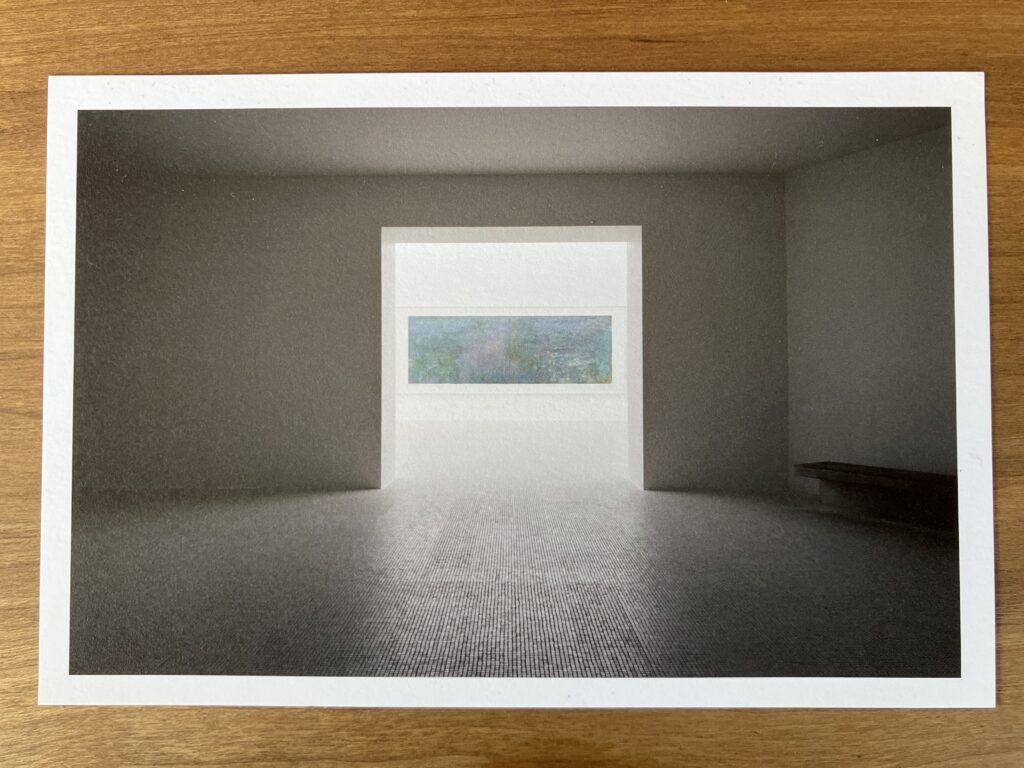
Next, I visited the Hiroshi Sugimoto Gallery.
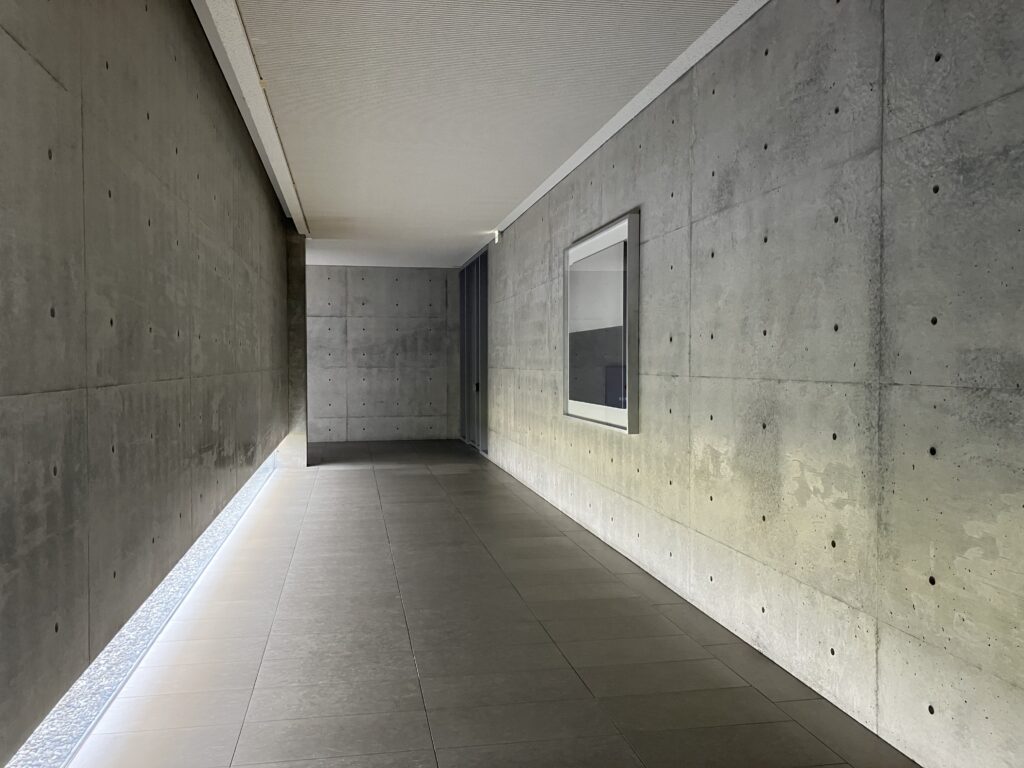
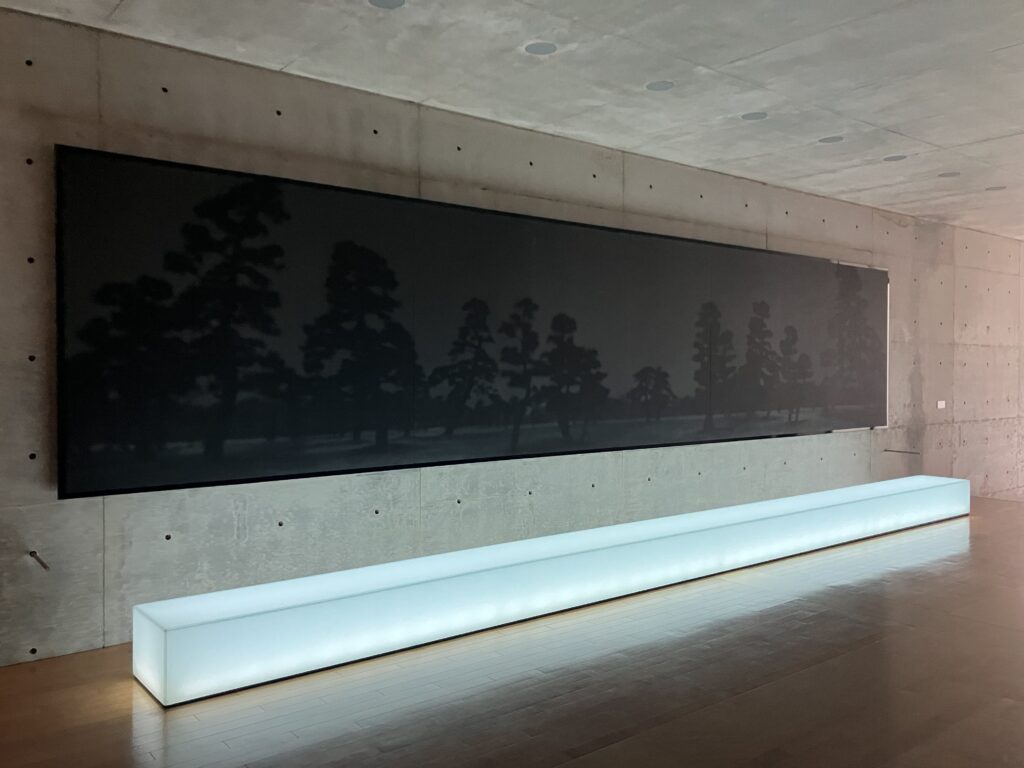
Unlike the previous museum, photography was permitted here. The highlight for me was the modern tea house made entirely of glass.
Traditionally, a tea house is a space where tea is prepared and guests are welcomed in the spirit of ichigo ichie—treasuring each encounter as a once-in-a-lifetime experience. Its intentionally small size brings people closer together, removes unnecessary distractions, and encourages everyone to focus on the simple act of sharing a bowl of tea. The use of natural materials also helps create a peaceful and tranquil atmosphere.
Yet this tea house was made entirely of glass. Although it is physically a small space, it opens up to the surrounding nature in a remarkable way. It made me wonder, "Perhaps you don't need natural materials to feel at one with nature. Maybe glass can achieve the same connection by framing the natural world around us."
I was deeply drawn to this fresh interpretation of the traditional tea house.
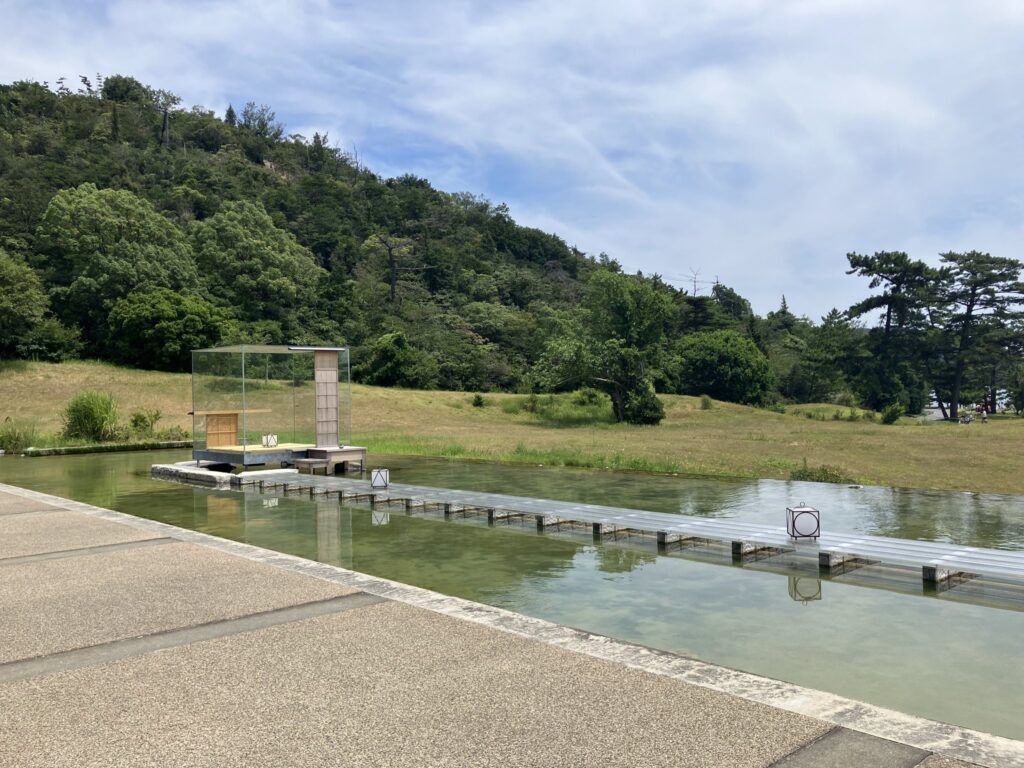
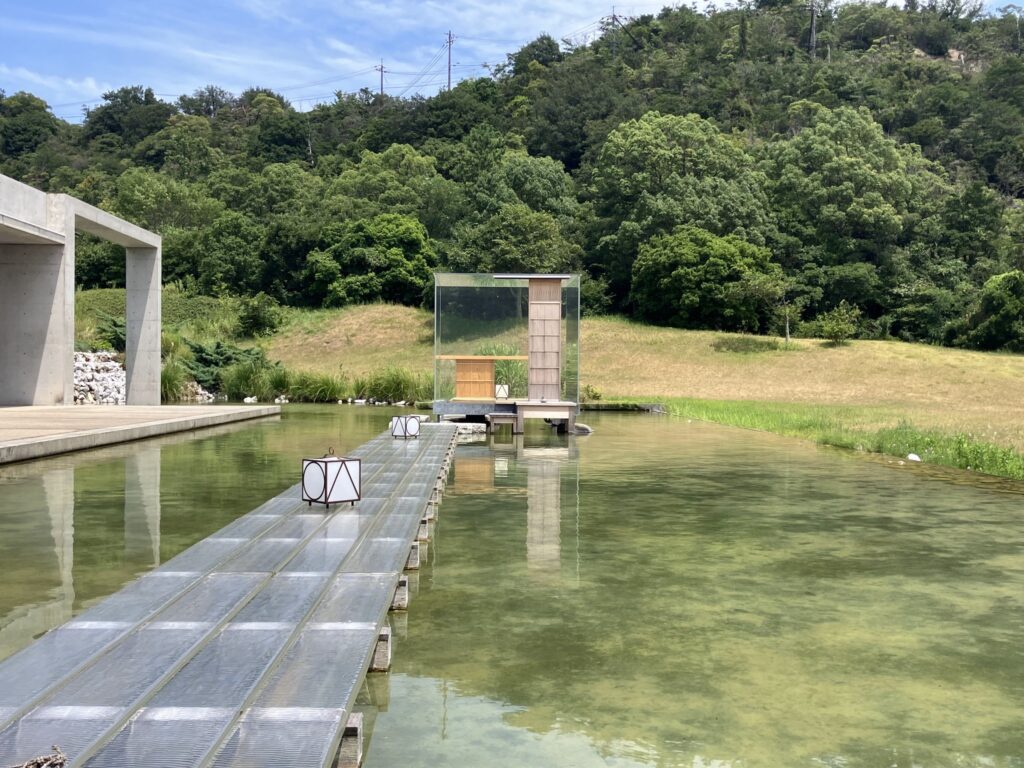
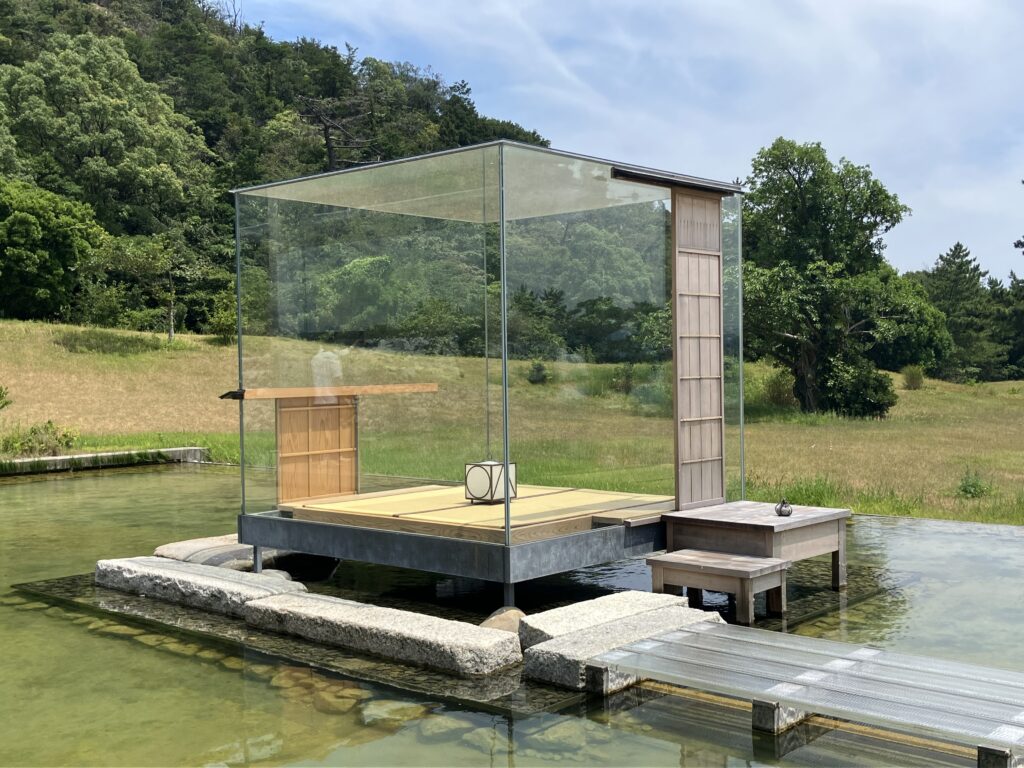
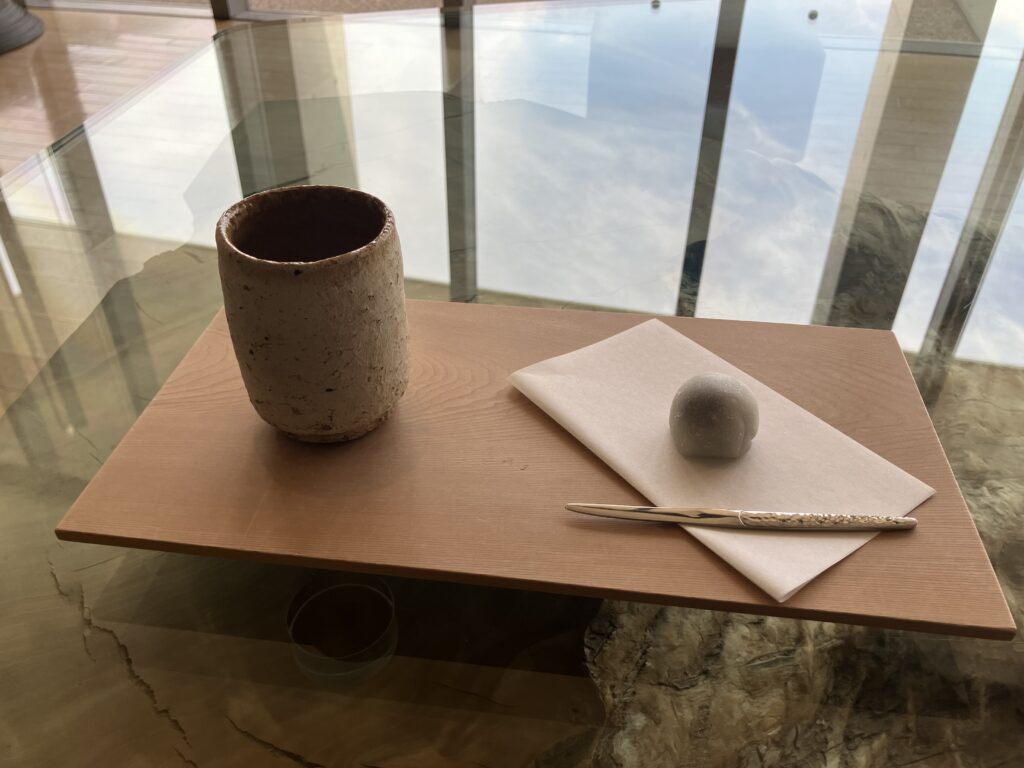
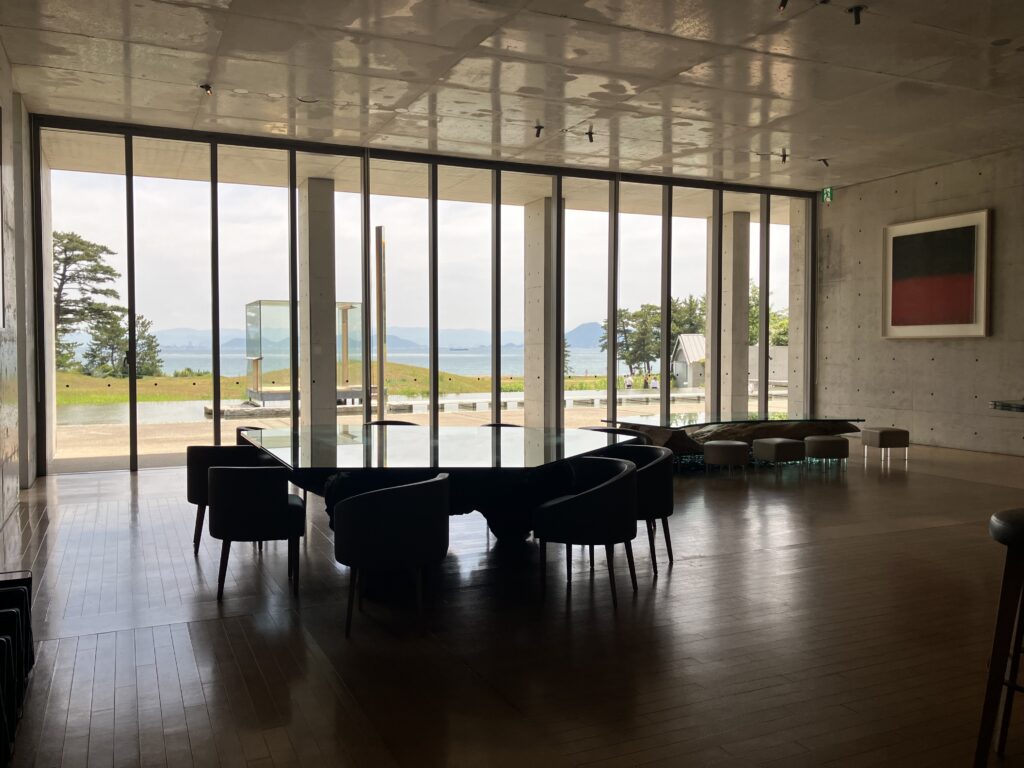
Unfortunately, visitors are not allowed to enter the tea house itself. Instead, you can enjoy tea and traditional Japanese sweets in the lounge while admiring the tea house from a distance.
Tea and sweets were also included in the admission fee, which I thought was a wonderfully thoughtful gesture of hospitality.
My third stop was the New Naoshima Art Museum.
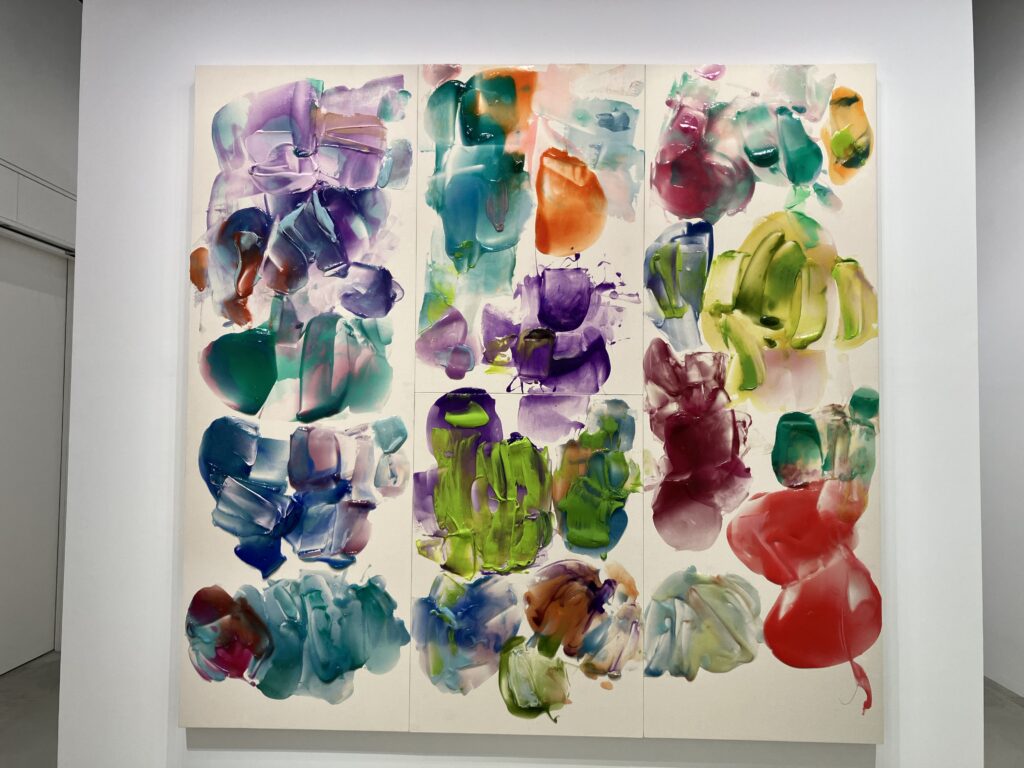
Here, I encountered many more works of contemporary art.
To be honest, I'm not particularly knowledgeable about art, nor am I someone who usually visits museums.
And yet, to my surprise, I found myself completely captivated by the artworks.
Perhaps it was the island's peaceful atmosphere and the harmonious blend of nature, architecture, and art that made me feel that way.
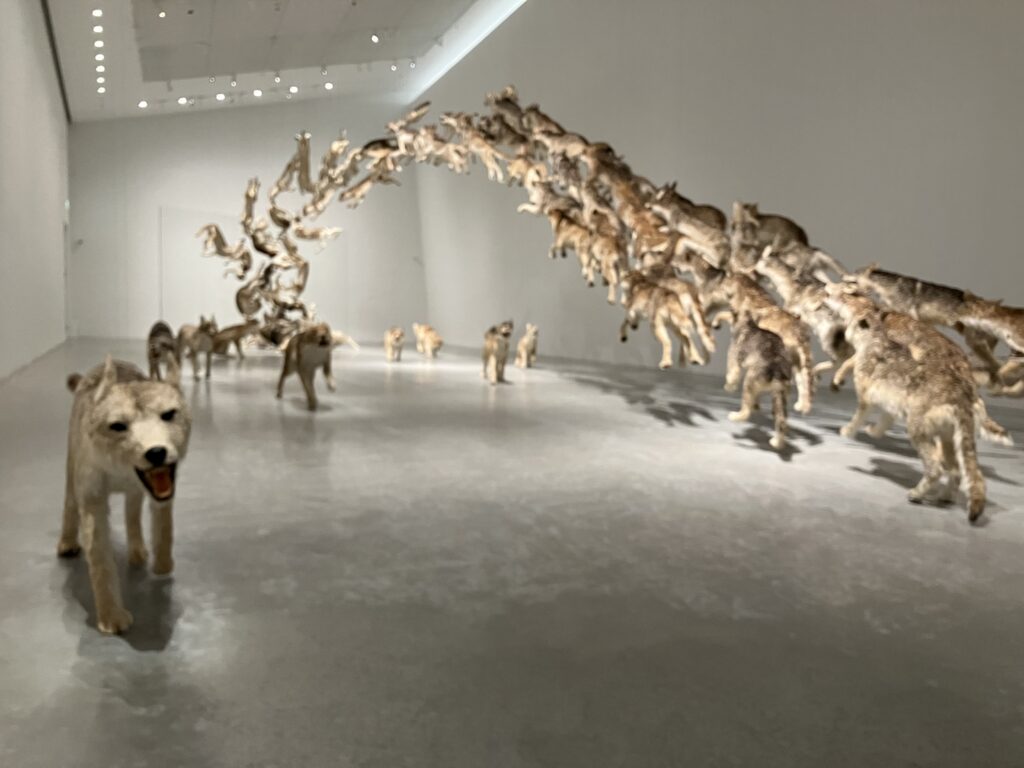
It wasn't just the museums that made the trip special—the time I spent exploring the island by bicycle was just as enjoyable.
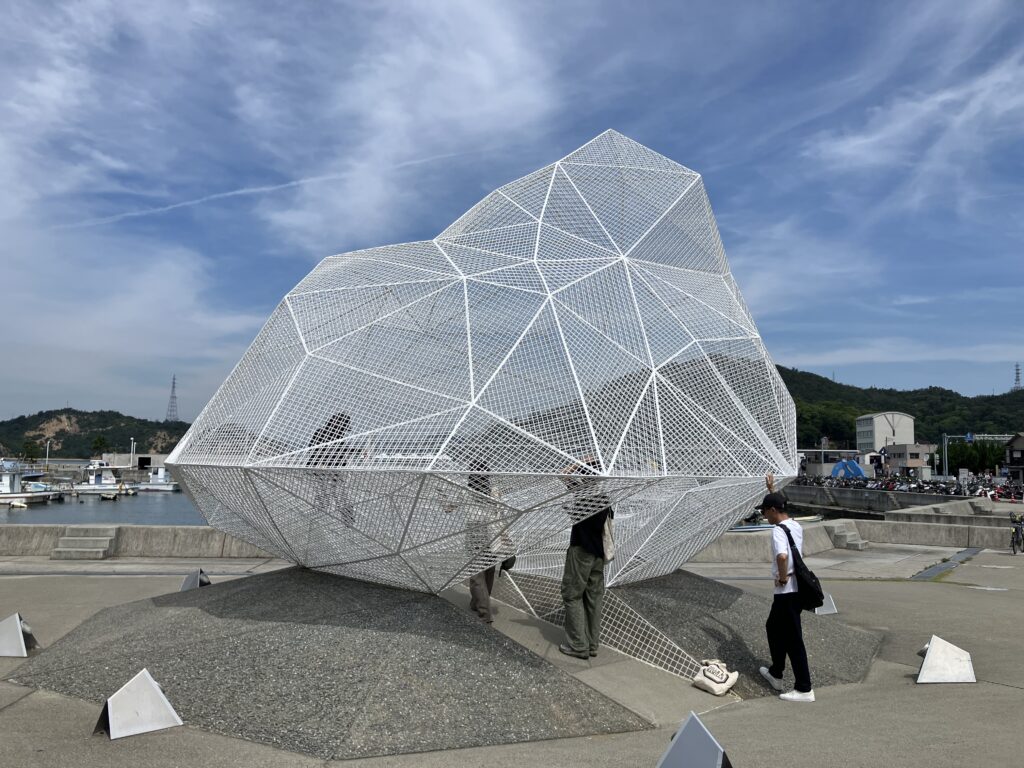
Artworks blending seamlessly into the old streets, cafés renovated from traditional Japanese houses, sandy beaches, green hills, and the endlessly tranquil scenery of the Seto Inland Sea.
The entire island feels like one large open-air museum, where time seems to pass at a slower, more peaceful pace.
Although I misjudged the travel time and couldn't visit every place on my itinerary, it led me to unexpected scenery and wonderful discoveries that weren't part of the plan.
Before I knew it, it was already time to catch the ferry back.
I realized there were still so many places I hadn't had the chance to visit. One day was simply not enough.
Reluctantly, I boarded the ferry bound for Takamatsu Port in Kagawa, wishing I could have stayed a little longer.
"Goodbye, Naoshima. I'll definitely be back."
That's the kind of island Naoshima is—one that leaves you longing to return.
Travel Tips
• Most of Naoshima's major museums require advance reservations. I highly recommend booking your tickets before your trip.
• During peak seasons, rental bicycles can sell out early in the day. I recommend reserving yours in advance for peace of mind.